
Beaked Hazelnut vs American Hazelnut – Key Differences
- November 24, 2025
- By Michael Woods
When folks talk about native American hazelnuts, they’re usually referring to either the Beaked hazelnut (Corylus cornuta) or the American hazelnut (Corylus americana). These two shrubs are often mixed up, but they have plenty of differences worth knowing if you’re considering growing, harvesting, or just enjoying hazelnuts in the wild.
Overview of Beaked Hazelnut vs American Hazelnut
Here are a few important things to understand at the outset:
- Corylus americana tends to be a bit more popular for home growers because it produces more nuts and is easier to handle, while the Beaked hazelnut is much more common in colder and drier climates.
- Both species play a role in local ecosystems, providing food for wildlife and sometimes humans, though actually getting to the nuts of a Beaked hazelnut can be a bit of a pain—its husk is bristly and spiny.
- While their nuts look similar at first glance, the Beaked hazelnut got its name from the long, tube-like husks that extend well past the nut itself (like a beak!). The American hazelnut’s husks are shorter but still pretty leafy.
| Feature | Beaked Hazelnut | American Hazelnut |
| Scientific Name | Corylus cornuta | Corylus americana |
| Typical Height | 6-12 ft (can reach 45’) | 6-10 ft |
| Nut Harvest | Difficult, fewer nuts | Easier, more nuts |
| Range | Northern/western N. Am. | Eastern/midwest N. Am. |
| Husk Type | Long, beak-like, bristly | Shorter, leafier |
Beaked hazelnut adapts to colder and drier places better than its American cousin, but if you want a backyard shrub that gives you more edible nuts, American hazelnut is usually the go-to. Both, though, are just as likely to show up at the edge of a forest or along a wild fencerow as they are to grow in someone’s garden.
Overall, I find that while they’re closely related, the personality of each shrub comes through in how they look, grow, and even how tricky they are to harvest from. Keep these points in mind as you learn more about their differences throughout the rest of this article.
Botanical Classification of Beaked Hazelnut vs American Hazelnut
When I look at the world of hazelnuts, I find it fascinating how closely related plants can have such distinct characteristics. Both the Beaked hazelnut vs American hazelnut belong to the same genus, Corylus, and are part of the birch family, Betulaceae. This means they share a common ancestor and many fundamental traits, like being monoecious (having both male and female flowers on the same plant) and typically growing as shrubs.
However, their scientific classifications hint at their differences. The cornuta species, beaked hazelnut, is further divided into two varieties: C. cornuta var. cornuta found more broadly across North America, and C. cornuta var. californica on the West Coast. The American species, on the other hand, is a distinct entity primarily found east of the Rocky Mountains.
Here’s a quick look at their scientific placement:
- Genus:Corylus
- Family: Betulaceae (Birch family)
- Species (Beaked):Corylus cornuta
- Species (American):Corylus americana
While they share a family tree, their evolutionary paths have led to adaptations that set them apart, influencing everything from their fruit to their preferred growing conditions. Understanding these botanical distinctions is the first step in appreciating their unique qualities.
It’s interesting to note that while both are native to North America, the commercial hazelnut industry largely relies on European species (Corylus avellana and Corylus maxima), which are better suited to specific climates. Our native hazels, though, have their own special place in the ecosystem and, as I’ll explore, in our landscapes.
Leaf and Bark Differences in Beaked Hazelnut vs American Hazelnut
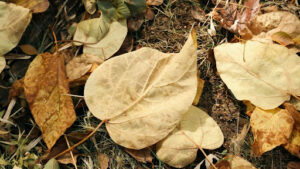
When I’m out looking at hazels, one of the first things I check is the leaves and bark, because that’s usually where I can spot the differences pretty quickly between the Beaked hazelnut vs American hazelnut.
For starters, the leaves on both are pretty similar – they’re generally rounded with toothed edges and have noticeable veins. They’re also known for putting on a nice fall color show, usually turning shades of yellow and brown. But if you look closely, the American hazelnut tends to have leaves that are a bit more hairy, especially on the twigs and leaf stems, while the beaked hazelnut’s twigs and stems are smoother, almost hairless.
As for the bark, it’s not a huge difference, but I’ve noticed the American hazelnut often has a smoother, grayish bark. The beaked hazelnut’s bark is usually a bit more brownish and can sometimes appear slightly rougher, though both are generally smooth when they’re young.
Here’s a quick rundown:
- Leaves: Both have toothed, veined leaves. American hazelnut leaves and twigs are often more fuzzy. Beaked hazelnut leaves and twigs are typically smoother.
- Bark: American hazelnut bark is usually grayish and smooth. Beaked hazelnut bark tends to be more brownish and can be slightly rougher.
The real giveaway, though, especially when the plant is fruiting, is the husk. The American hazelnut’s husk bracts extend around the nut, maybe about twice the length of the nut itself. The beaked hazelnut, on the other hand, has a husk that forms a long, tubular ‘beak’ that completely encloses the nut. It’s quite distinctive and makes it easy to tell them apart once you know what to look for.
Comparing the Flowers and Fruit of Beaked Hazelnut vs American Hazelnut
When I look at the flowers and fruit of Beaked hazelnut (Corylus cornuta) compared to American hazelnut (Corylus americana), a few differences jump right out at me. The way the nuts and their coverings look and feel is probably the single biggest difference anyone would notice if they saw both plants side by side.
Here are the main points that I consider when I’m identifying them or thinking about growing them:
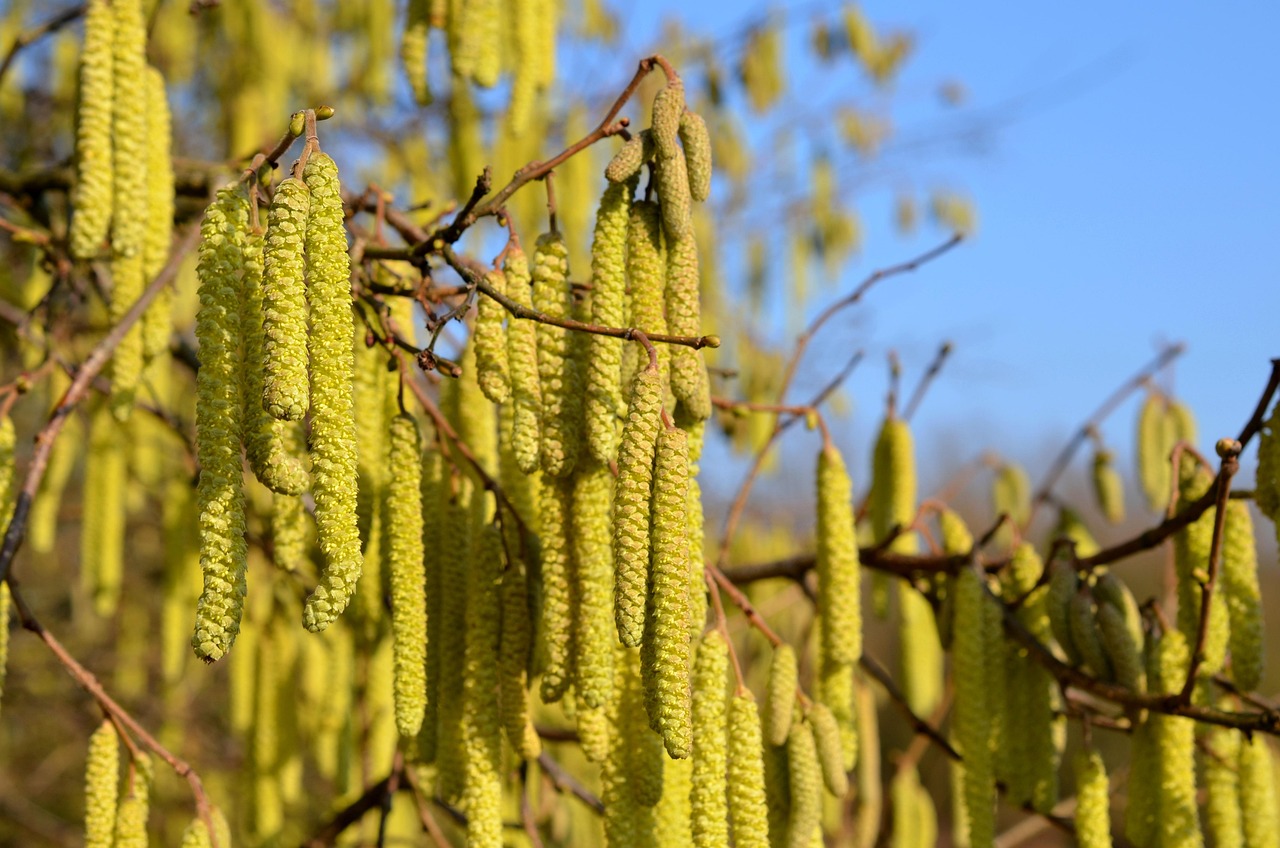
- The male flowers (catkins) on both species are noticeable early in the season, but the female flowers are tiny, just little red threads poking out from the branch buds.
- Beaked hazelnut usually has more male flowers and fewer female flowers, so it puts out fewer nuts than the American hazelnut.
- The husk, or involucre, around each nut is much longer and beak-shaped on the beaked hazelnut, and it’s full of stiff little hairs. On the American hazelnut, the husk is shorter and only covers the nut about twice its length.
- The beaked hazelnut’s fruits are a bit smaller, with thicker shells and less nut meat than the American hazelnut’s.
- Both kinds of nuts taste pretty similar to store-bought filberts, but they’re smaller. You really have to beat the squirrels to them.
Here’s a side-by-side breakdown in a simple table:
| Feature | Beaked Hazelnut | American Hazelnut |
| Male/Female Ratio | More males, fewer females | Close to 50:50 |
| Nut Husk | Long, beak-like, bristly | Shorter, less bristly |
| Nut Size | Small, thick shell | Slightly larger, thinner shell |
| Nut Yield | Lower, less reliable | Higher, more reliable |
| Nut Taste | Similar to filberts | Similar to filberts |
I noticed that when I picked a Beaked hazelnut for the first time, those prickly husks were no joke—they stick to your hands and make cracking the nut a bit of an ordeal, whereas the American hazelnut is easier to handle if you’re after a quick snack.
Overall, if you’re thinking about growing these for the nuts alone, American hazelnut is the friendlier option for both the gardener and the casual nut lover, but the Beaked hazelnut has its own rugged charm, especially if you’re working in colder northern areas.
Habitat and Geographic Range: Beaked Hazelnut vs American Hazelnut
When I look at where these two types of hazelnuts like to hang out, I see some pretty clear differences, though there’s overlap too. The American hazelnut, or Corylus americana, is pretty common across eastern North America. You’ll find it east of the Rocky Mountains, doing its thing in places like the upper Midwest. It’s pretty adaptable, tolerating cold down to USDA zone 4b and even handling some wet spots, like along riverbanks, though it really prefers soil that drains well.
The beaked hazelnut, Corylus cornuta, has a similar range but stretches out a bit further. It goes more west and even further north than the American hazelnut. There are actually two main types of beaked hazelnut. One is found in the circumboreal regions, especially east of the continental divide. The other, Corylus cornuta var. californica, pops up on the west side of the continental divide, particularly in the coastal mountains of the Pacific Northwest. This western variety can get quite a bit taller, sometimes reaching up to 45 feet, which is a big difference from the American hazelnut that usually tops out around 10-12 feet.
Here’s a quick rundown of where you’re likely to find them:
- American Hazelnut (Corylus americana): Primarily east of the Rocky Mountains, common in the eastern and central United States and southern Canada. Prefers well-drained soil but can tolerate some moisture.
- Beaked Hazelnut (Corylus cornuta): Wider range, extending further north and west than American hazelnut. Found across much of Canada and the northern United States. The western variety (C. c. var. californica) is specific to the Pacific Northwest.
Both species are native to North America and have adapted to a variety of conditions, but the Beaked hazelnut shows a greater tolerance for colder climates and drier soils, extending its reach into more northern and western territories.
It’s interesting to note that while both can grow in partial shade, they really produce the best crops of nuts when they get direct sunlight. They also do best in soil that stays pretty moist throughout the growing season, which is why you often find them in sunny floodplains and bottomlands. They aren’t too picky about soil nutrition, but good soil is always better, right?
Growth Habits and Size Comparison: Beaked Hazelnut vs American Hazelnut
When I look at these two hazelnut species, their growth habits and overall size are pretty different, which is something to keep in mind. The American hazelnut (Corylus americana) tends to be a more compact shrub. It usually tops out around 10 to 12 feet tall. Its stems often have a fuzzy appearance, especially on the branch tips. What I’ve noticed is that it tends to form dense thickets because its roots send up suckers near the base, creating a clustered effect. The branches then arch outwards, giving it a sort of vase-like shape.
On the other hand, the Beaked hazelnut (Corylus cornuta) can be a bit more variable. The eastern variety is similar in size to the American hazelnut, but the western variety, sometimes called Corylus californica, can get significantly larger, reaching up to 45 feet high, especially in the Pacific Northwest. Instead of suckering from the base, the Beaked hazelnut has roots that spread out underground, a bit like runners. This means a single plant can spread quite a bit over time, forming a clonal thicket that way. It’s also known to be pretty good at bouncing back after fires.
Here’s a quick rundown:
- American Hazelnut:
- Height: Typically 10-12 feet.
- Root System: Suckers from the base, forming dense clumps.
- Branching: Arches outward, vase-like shape.
- Beaked Hazelnut:
- Height: Eastern variety similar to American; Western variety can reach up to 45 feet.
- Root System: Stoloniferous (spreading runners underground).
- Growth Pattern: Can form wider clonal thickets.
The beaked hazelnut’s ability to spread via underground runners is a key difference in how it colonizes an area compared to the American hazelnut’s basal suckering.
It’s interesting how their root systems influence their growth. The American hazelnut is more about building up from a central point, while the Beaked hazelnut seems to prefer spreading out horizontally. This can affect how they fill a space or compete with other plants.
From what I’ve seen, the American hazelnut often presents a more rounded, shrubby appearance, while the beaked hazelnut, especially the western type, can grow into a taller, more tree-like shrub if conditions are right. Both are hardy, but their physical structure and how they expand are quite distinct.
Wildlife and Ecological Value of Beaked Hazelnut vs American Hazelnut
When I look at the wildlife and ecological roles of these two hazelnut species, I see some overlap, but also some distinct differences that are pretty interesting. Both plants are valuable, but they support different aspects of the ecosystem.
The American hazelnut is a real powerhouse for supporting a wide array of wildlife. Its nuts are a favorite food for so many creatures, from squirrels and chipmunks to various birds like turkeys, grouse, and quail. Even larger animals like deer and foxes will browse on the leaves and twigs. Beavers also seem to have a particular fondness for the cambium of hazelnut wood. Beyond just the nuts, the dense growth habit of American hazelnut provides excellent cover and nesting sites for many small animals and birds.
Here’s a quick look at some of the critters that benefit:
- Squirrels and other rodents
- Various bird species (turkeys, grouse, quail, woodpeckers)
- Deer and foxes
- Beavers
- Insects, including larvae and lepidoptera
The beaked hazelnut, while perhaps not supporting quite as broad a spectrum of animals as the American hazelnut, still plays a significant role, especially in its more northern and western ranges. Its nuts are also consumed by wildlife, though the spiny husk might make them a bit more challenging to access for some. The plant’s hardiness means it can persist in tougher conditions, providing food and shelter where other plants might not. Historically, indigenous peoples in the Pacific Northwest relied on the beaked hazelnut, indicating its importance as a food source in those regions.
Both species are considered pioneering plants, meaning they are often among the first to colonize disturbed areas or new habitats. This ability makes them important for ecological succession, helping to stabilize soil and create conditions for other plants to establish themselves over time. Their early flowering also provides a food source when little else is available.
From an ecological standpoint, both contribute to biodiversity. They help create varied habitats, support insect populations that are vital for pollination and as a food source, and their presence can indicate healthy transitional zones between different ecosystems, like forest edges and open woodlands. Restoring these plants can help bring back a more robust and varied natural landscape.
Which Is Better for Landscaping or Harvesting – Beaked Hazelnut vs American Hazelnut?
Deciding between Beaked hazelnut vs American hazelnut for your landscaping or harvesting needs really comes down to what you’re hoping to achieve. If your main goal is a plentiful harvest of nuts, the American hazelnut is generally the way to go. I’ve found that American hazels tend to have a more balanced ratio of male to female flowers, which means more nuts. Plus, their nuts are typically larger and easier to process.
On the other hand, the beaked hazelnut, while incredibly hardy and adapted to colder climates, can be a bit more challenging. Its nuts are often smaller, have thicker shells, and are encased in a long, bristly husk that makes them a bit of a pain to handle. However, if you’re looking for a tough, adaptable shrub that can handle harsh conditions, the Beaked hazelnut might be your pick. It’s known for its resilience in cold weather and can even tolerate drier soils better than its American cousin.
Here’s a quick rundown:
- For Harvesting: American hazelnut (Corylus americana) is usually preferred due to higher nut yield and easier processing.
- For Landscaping in Harsh Climates: Beaked hazelnut (Corylus cornuta) offers superior cold hardiness and drought tolerance.
- Wildlife Value: Both species provide food and habitat, but the American hazelnut’s more abundant nuts might attract more wildlife.
When it comes to harvesting, I’ve read that American hazelnut bushes can produce quite a bit, enough to fill buckets if you find a good patch. The process of gathering the nuts is described as quite enjoyable, with clusters that are easy to pick. For those interested in traditional gathering methods, there’s information on how these nuts were historically collected in British Columbia.
For landscaping, consider the American hazelnut if you want a more traditional, vase-shaped shrub that suckers at the base, forming a nice thicket. The beaked hazelnut, with its stoloniferous roots, can spread more widely and is better suited for naturalizing in tougher spots or areas prone to fire.
Ultimately, if you’re aiming for a reliable nut crop, I’d lean towards the American hazelnut. If extreme cold hardiness is your top priority, the Beaked hazelnut is a strong contender. Both are valuable additions to the landscape, but their suitability really depends on your specific goals and the conditions you’re working with. For those looking to establish a hazelnut grove, remember that cross-pollination is key, so planting more than one individual is always recommended.
Frequently Asked Questions
What’s the main difference between Beaked and American hazelnuts?
From my experience, the most noticeable difference is how the nuts are covered. American hazelnuts have a husk that extends about twice the length of the nut, while beaked hazelnuts have a long, bristly ‘beak’ that completely covers the nut. This beak is quite spiny and can make harvesting them a bit more challenging.
Are beaked hazelnuts as good for eating as American hazelnuts?
While both are edible, the Beaked hazelnut is generally considered less desirable for human consumption. Its nuts often have thicker shells and less meat inside compared to American hazelnuts. Plus, that spiny beak can be a real bother when you’re trying to get to the good stuff!
Which type of hazelnut is easier to grow for nuts?
I’ve found that American hazelnuts tend to be more productive. They seem to have a better balance of male and female flowers, meaning more nuts develop. Beaked hazelnuts often produce more male flowers (catkins) and fewer female flowers, which results in fewer nuts overall.
Can beaked hazelnuts grow in very cold places?
Yes, indeed! The Beaked hazelnut is incredibly hardy and can survive extremely cold winters, possibly more so than the American hazelnut. It’s known to be one of the most northerly nut-bearing plants in the world, making it a great choice for very cold northern climates.
Do these hazelnuts grow in the same places?
They share a similar range across North America, but the Beaked hazelnut often extends further west and north. The American hazelnut is more common east of the Rocky Mountains. You might find beaked hazelnuts in drier, upland areas, while American hazelnuts often prefer moister spots, like riverbanks.
Are there any advantages to the beaked hazelnut?
Absolutely. Beyond its impressive cold hardiness, the Beaked hazelnut is also more tolerant of drought and fire. From a plant breeding perspective, these traits are very valuable for developing new hazelnut varieties that can thrive in challenging conditions.