
Are There Redwood Trees in Oregon, or Are They Planted?
- January 19, 2026
- By Michael Woods
So, you’re wondering if those giant redwood trees, the ones you usually picture in California, actually grow in Oregon? It’s a fair question, especially since they’re such iconic trees. We’ve all seen pictures, right? But the truth is a bit more interesting than a simple yes or no. It turns out there’s a bit of a story behind why you might find redwoods in Oregon, and it involves both nature and people. Let’s dig into whether there are redwood trees in Oregon and how they got there.
It’s a question that pops up now and then: are there redwood trees in Oregon? Many people associate these towering giants exclusively with California, and for good reason. However, the story of redwoods in Oregon is a bit more complex than a simple yes or no. While they aren’t as widespread as in their native California habitat, redwood trees do exist in Oregon, and their presence sparks curiosity. This article aims to clear up any confusion about where these magnificent trees can be found and how they got there. We’ll look at whether they’re a natural part of Oregon’s landscape or if they’ve been introduced.
When we talk about redwood trees in Oregon, it’s important to consider a few key points:
- Natural Range: Understanding where redwoods naturally grow is the first step.
- Historical Presence: Were they here long before people started planting things?
- Human Influence: How have people contributed to redwood trees in Oregon, including in places like Portland, Oregon?
The presence of any tree species outside its native range often raises questions about ecological impact and natural adaptation. It’s not just about seeing a big tree; it’s about understanding its place in the environment.
So, let’s get to the bottom of it. Are there redwood trees in Oregon? The answer is yes, but the details are what make it interesting.
Understanding Redwood Tree Species and Their Natural Range
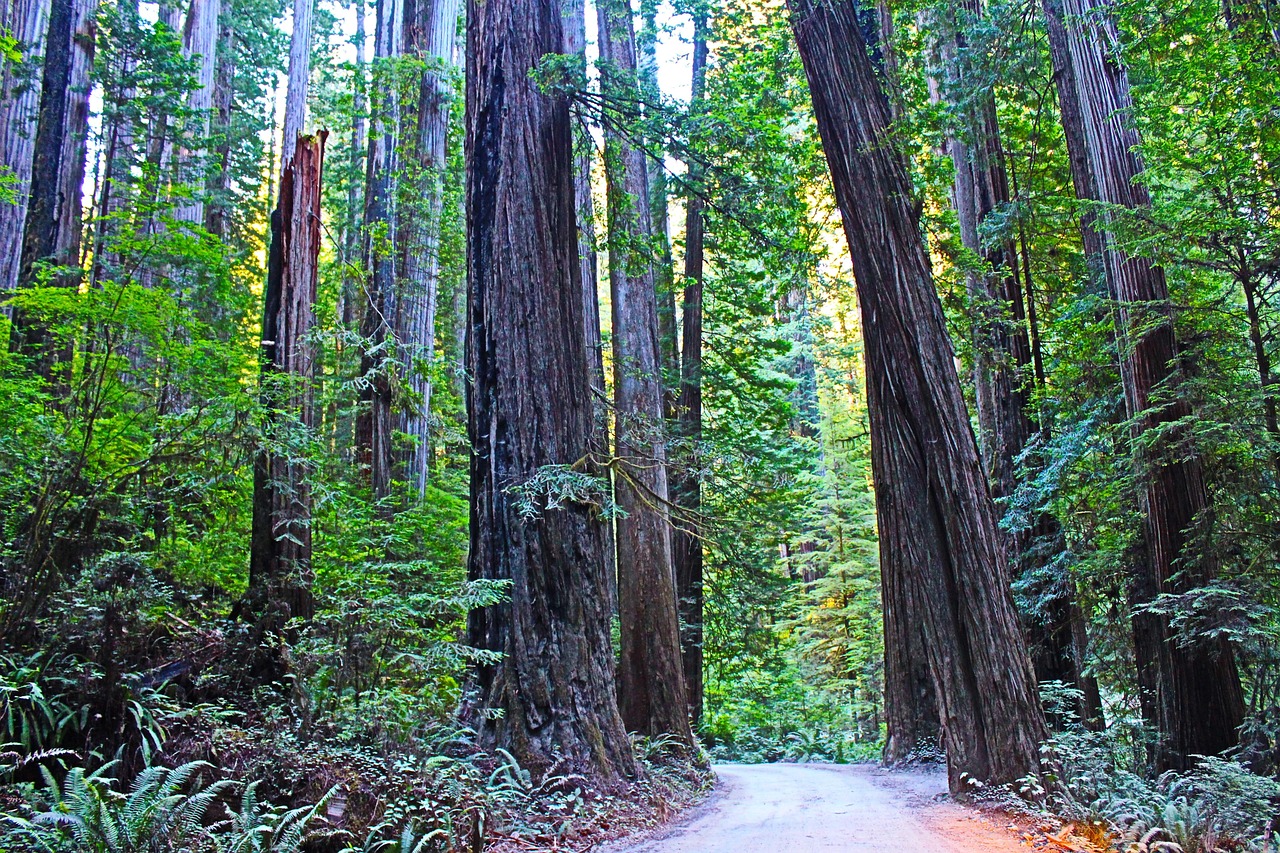
When we talk about redwood trees, we’re usually thinking about the coast redwood, scientifically known as Sequoia sempervirens. These giants are famous for their incredible height and longevity. Their natural home is along the coast of Northern California, extending just a little bit into Southern Oregon. This specific region is pretty unique, and it’s where they’ve thrived for ages.
It’s important to know that the genus Sequoia used to be found all over the place, but now, its range is much more limited. The coast redwood is actually considered the rarest forest type in Oregon. The trees that grow in Oregon are essentially the northernmost edge of the much larger redwood forests found in California. Most of the Oregon redwoods are found on slopes, which is a bit different from their California cousins who often prefer river bottoms. This difference in location can sometimes mean the Oregon trees are a bit smaller than those further south.
Here’s a quick look at the coast redwood:
- Scientific Name:Sequoia sempervirens
- Native Range: Coastal Northern California and a small part of Southern Oregon.
- Lifespan: Can live well over 1,000 years.
- Key Feature: Known for its reddish-brown heartwood and impressive height.
These trees are tough. They have really thick bark, sometimes up to 12 inches, which makes them super resistant to fire. Plus, their wood doesn’t rot easily and bugs tend to leave it alone. You might also notice a lot of smaller trees growing close together; often, they’re all connected to the same root system because redwoods are really good at sprouting new growth.
The climate these trees love is mild and wet, with plenty of fog. That fog is a big deal, especially during dry summers, because it provides a lot of the moisture they need through “fog drip.” They like areas that are moist but also drain well, and they can tolerate shade. However, freezing temperatures can be a problem for them.
While they are native to this specific coastal strip, people have been planting them in other places, including further inland in Oregon. This brings up a whole other set of questions about how they do outside their natural zone and what that means for the local environment.
Are There Redwood Trees in Oregon Naturally or Only in California?
So, the big question: are these towering giants actually from Oregon, or are they just visitors? It turns out, coast redwoods (Sequoia sempervirens) are indeed native to Oregon, but only in a very specific part of the state. Their natural range extends from central California all the way up to just a little bit over the Oregon border. This means Oregon is the only other state besides California where you can find naturally occurring redwood forests.
Think of it like this: California has the main party, and southern Oregon gets the exclusive after-party invitation. These trees really like the cool, moist climate found along the coast. The fog that rolls in from the Pacific is a big deal for them, especially during the drier summer months, acting as a vital water source. Because of this, they tend to stick pretty close to the coast, usually not venturing more than about 50 miles inland. Further east, the conditions just get too dry for them to thrive naturally.
While the vast majority of redwood forests are down in California, Oregon has a small, but significant, slice of this ancient ecosystem. It’s a pretty special thing when you consider how rare this forest type is in Oregon compared to its much larger California counterpart.
The natural habitat of the coast redwood is quite specific, requiring the cool, damp air and fog that the Pacific coast provides. This limits their native range to a narrow strip along the ocean.
Here’s a quick rundown:
- Native Range: Northern California and a small sliver of southern Oregon.
- Key Requirement: Consistent moisture and cool temperatures, often provided by coastal fog.
- Oregon’s Role: The northernmost natural extent of the coast redwood’s range.
It’s not like you’ll find redwood groves scattered all over Oregon. The native stands are concentrated in the southwestern corner, hugging the coastline. It’s a delicate balance, and these trees are a unique treasure for that part of the state.
Historical Evidence
So, the big question is, did these giants just show up in Oregon recently, or have they been here for ages? When we talk about ancient forests, we’re really looking at evidence from the past. For coast redwoods, their natural range historically extended just a bit north of the California border, into southern Oregon. This means that, yes, there’s a natural presence of these trees in Oregon, not just a modern planting effort.
Think about it – these trees have been around for a seriously long time. The genus Sequoia itself has a history that goes way back, even if the specific species we see today are more localized. Fossil evidence, though not abundant in Oregon specifically for redwoods, points to a much wider distribution of related species in prehistoric times across North America. It’s like finding an old family photo; it tells you your ancestors were in a certain place long before you were.
The current distribution of coast redwoods is a remnant of a much wider historical range, shaped by climate shifts and geological events over millennia.
While you won’t find vast, ancient redwood forests in Oregon as you might in parts of California, the historical record does support their native status in the southernmost parts of the state. These aren’t just random trees that popped up; they are part of the natural tapestry of the Pacific Northwest.
Here’s a quick look at what we know:
- Native Range: Coast redwoods (Sequoia sempervirens) are native to the coastal regions of Northern California and extend into a small portion of Southern Oregon.
- Fossil Record: While direct redwood fossils are rare in Oregon, related species from the Sequoia genus existed across North America millions of years ago.
- Geological History: Oregon’s landscape has been shaped by volcanic activity and tectonic shifts, influencing where plant species could establish and thrive over long periods.
So, when you see a redwood in Oregon, especially in the southern part, it’s quite possible you’re looking at a tree that has a lineage stretching back through time, a true native of the region, not just a newcomer. It’s a reminder of the ancient connections between land and life. The coast redwood is truly a remarkable species with a deep history.
Southern Oregon Locations Where Redwood Trees Are Found
So, where exactly can you find these giants in Oregon? While they aren’t spread all over the state, the southern Oregon coast is where you’ll have the best luck spotting them. Think of the area just north of the California border. It’s a pretty specific zone, really. These trees tend to hang out on the mountainous slopes there, which is a bit different from how they often grow in river bottoms down in California.
One of the most well-known spots is the Oregon Redwoods Trail. It’s a loop hike, not too long, and it gives you a real chance to see these impressive trees in their Oregon home. It’s a bit of a drive to get there, often involving a gravel road, but the payoff is totally worth it if you’re looking for that old-growth forest feel. You might also find them scattered in other pockets along the southern coast, sometimes mixed in with other native trees like Port Orford cedars and Oregon myrtles.
Here are a few key areas to keep in mind:
- Oregon Redwoods Trail: This is a dedicated trail designed for viewing redwoods in Oregon.
- Samuel H. Boardman State Scenic Corridor: While not exclusively a redwood area, this stunning coastal stretch is nearby and often leads you towards redwood habitats.
- Scattered Stands: Keep an eye out in the coastal mountain ranges of southern Oregon, particularly closer to the California border.
It’s important to remember that redwoods in Oregon are a rarer sight compared to their massive California cousins. They don’t extend too far inland, sticking close to the coast where the climate is just right for them. This limited range makes spotting them in Oregon feel pretty special.
It’s not like you’ll see them everywhere you turn, but if you’re in the southern part of the state, especially near the coast, you’ve got a good shot at finding some of these magnificent trees.
Are There Redwood Trees in Oregon That Were Planted by Humans?
While redwoods are native to a small sliver of southern Oregon and northern California, it’s becoming more common to see them planted elsewhere in the state. Landowners, from those with a single backyard tree to small woodland owners with several acres, are planting them for various reasons. It’s not always about timber; sometimes, it’s just because they’re striking trees.
Oregon State University Extension Service specialists have noticed this trend and are looking into who’s planting these giants and why. They’re not pushing for more planting outside the natural range, but rather responding to the interest folks already have. They want to make sure people understand both the good and the not-so-good aspects of growing redwoods.
Here’s a quick rundown of why someone might plant a redwood:
- Aesthetic Appeal: Many people simply find them beautiful and want a unique, large tree in their landscape.
- Potential Timber Value: While a long-term investment, some landowners are planting them for future harvest, as redwood lumber is quite valuable.
- Horticultural Interest: Some are planted for scientific or historical reasons, like the Dawn Redwood Heritage Tree in Portland, which was the first of its kind in the Western Hemisphere to produce cones in millions of years.
It’s important to remember that redwoods have specific needs. They thrive in cool, moist climates, often benefiting from coastal fog. If planted away from these conditions, they might not grow as tall or as fast unless they get extra water. Plus, they get big, so thinking about where to put them – away from homes, roads, and septic systems – is a must.
Growing a tree species outside its native habitat always comes with questions about potential ecological impacts. Foresters are keen to study these situations, especially with private landowners who have been growing redwoods for decades, to learn what happens over time.
Differences Between Natural and Planted Redwood Trees in Oregon
So, you’ve seen these towering redwoods in Oregon and wondered if they’re the real deal, growing wild, or if someone just decided to plant them. It’s a fair question, and there are definitely ways to tell them apart, though it’s not always super obvious at first glance.
The biggest clue is often where you find them and how they’re growing. Naturally occurring redwoods, which are pretty rare in Oregon and mostly confined to the very southern tip of the state, tend to be found in specific environments. They like the cool, moist air near the coast, often on slopes, and they’re part of a natural forest ecosystem. Planted ones, on the other hand, might pop up in a backyard, a park, or even a managed woodlot further inland.
Here’s a quick rundown of what you might notice:
- Location: Natural stands are usually very close to the coast in the southernmost part of Oregon. Planted trees can be found more widely across western Oregon.
- Growth Pattern: Naturally occurring trees are often part of a dense, mixed forest. Planted trees might be in rows or more isolated, especially in yards.
- Size and Age: While redwoods can get huge anywhere with the right conditions, the oldest, most massive trees are typically found in their native California range. Oregon’s natural redwoods are often a bit smaller due to being at the edge of their natural range. Planted trees’ size will depend entirely on how long they’ve been there and the care they’ve received.
- Surrounding Vegetation: Natural redwood forests have a specific understory of plants like huckleberry and ferns. Planted areas will have whatever else is growing around them, which could be anything.
It’s also worth remembering that redwoods are tough cookies. Their thick bark, up to 12 inches, offers great protection against fire and pests, which is why they’ve survived for so long. This resilience means they can thrive even when planted outside their usual spots, as long as they get enough water. The coastal redwood is adapted to a very specific climate.
When you see a redwood in Oregon, it’s a good idea to consider its context. Is it in a place where redwoods are known to grow naturally, or does it seem like an intentional addition to the landscape? This helps paint a clearer picture of its presence in the state.
Climate and Soil Conditions: Why Redwood Trees Can Grow in Oregon
So, why can these giants, so famously Californian, actually put down roots in Oregon? It all comes down to a few key environmental factors that Oregon, particularly its southern coast, happens to share with their native California stomping grounds. Redwood trees really do need a specific kind of weather and ground to thrive.
Think of it this way: coast redwoods are basically coastal creatures. They love that cool, moist air you get right near the ocean. That’s why you won’t find them naturally growing way inland, where things get drier and hotter. They need that consistent dampness, and a big part of that comes from fog. You know, that thick, soupy stuff that rolls in off the Pacific? For redwoods, it’s like a free water source, especially during the summer when it might not rain much. This “fog drip” is super important for keeping their needles hydrated and the soil moist. It’s a big reason why the California coastal redwood forests are so lush.
Oregon’s southern coast offers a pretty similar setup. It’s got that mild, wet climate. The temperatures don’t swing wildly, and there’s plenty of rain, plus that all-important coastal fog. The soil also plays a role. Redwoods aren’t super picky, but they do prefer well-drained soil. They don’t want their roots sitting in soggy puddles all the time. Luckily, many areas in southern Oregon have the right kind of soil that allows water to drain while still holding enough moisture.
Here’s a quick rundown of what they like:
- Temperature: Cool and mild, with not too much extreme heat or freezing.
- Moisture: Lots of it! Rain is good, but coastal fog is a bonus.
- Soil: Needs to drain well but stay somewhat damp.
It’s this combination of a gentle climate and the right kind of ground that allows these impressive trees to grow, even outside of their most famous California homes. It’s not just about planting them; it’s about the environment being welcoming enough for them to actually grow well.
While redwoods can grow in Oregon, it’s worth noting that the ones found naturally in Oregon tend to be a bit smaller than their California cousins. This is often because the Oregon native stands are typically on mountain slopes rather than the river bottoms, where they often grow in California. Still, they are impressive trees, and their ability to grow in Oregon is a testament to the similar environmental conditions found in these coastal regions.
How Old Are the Redwood Trees in Oregon Compared to the California Groves?
When we talk about redwood trees in Oregon, it’s important to remember that the truly ancient giants are mostly found further south in California. The coast redwoods native to Oregon are at the very northern edge of their natural range. This means that while they can still get impressively large and old, they generally don’t reach the same colossal ages as their cousins in the heart of California’s redwood country.
Think of it like this:
- California Groves: These are the superstars, home to trees that have been around for well over 1,000 years, with some estimates pushing towards 2,000 years or more. These are the places with the oldest and tallest trees on Earth.
- Oregon’s Natural Redwoods: The redwoods found naturally in southern Oregon are typically younger. Many are in the few-hundred-year-old range, with some reaching maybe 500 to 600 years. They are still magnificent, but they haven’t had the same millennia to grow.
- Planted Redwoods in Oregon: Trees planted more recently by landowners will, of course, be much younger, often just a few decades old. Their age is entirely dependent on when they were put in the ground.
The key difference in age often comes down to the length of time the species has been able to establish and thrive in a particular area, along with the specific environmental conditions that favor extreme longevity. California’s coastal climate, with its consistent moisture and protection, has allowed redwoods to reach ages that are simply not possible in the slightly different conditions found further north.
So, while you can absolutely find impressive redwood trees in Oregon, if you’re looking for the absolute oldest of the old, you’ll want to head towards the more established groves in Northern California.
Ecological Importance of Redwood Trees in Oregon’s Forests
Even though coast redwoods aren’t native to most of Oregon, the ones that are there, or have been planted, play a part in the local environment. These giants, with their thick, fire-resistant bark and decay-defying wood, can live for a really long time – we’re talking centuries, sometimes even over a thousand years. This longevity means they can become a significant part of the forest structure.
When these trees shed needles and branches, it creates a rich layer of organic material on the forest floor. This debris is super important for feeding the soil, which in turn helps other plants like ferns and huckleberries thrive. It’s a whole system, you know? The fallen bits feed the soil, the soil feeds the smaller plants, and the smaller plants provide homes and food for birds and other critters.
Here’s a quick look at what they bring to the table:
- Habitat: Their massive size and dense foliage offer shelter and nesting spots for various birds and small mammals.
- Soil Enrichment: Decomposing redwood material adds nutrients back into the soil, supporting understory growth.
- Water Cycle: The fog-catching ability of their needles helps retain moisture, benefiting the local microclimate, especially during drier periods.
The presence of these large trees can influence the overall health and diversity of the forest ecosystem. They create a unique environment that supports a specific set of plants and animals, contributing to the rich biodiversity found in Oregon’s natural areas.
While they might be a newer addition to many Oregon forests, their sheer size and resilience mean they can have a lasting impact, shaping the landscape and supporting the life around them for generations.
Can You Visit Redwood Trees in Oregon? Parks and Public Access
So, you’re wondering if you can actually go see these Oregon redwoods for yourself? The good news is, yes, you absolutely can! While they might not be as widespread as in California, there are some fantastic spots in southern Oregon where you can walk among these giants. It’s a pretty special experience, honestly.
Several state parks and national forest areas offer access to redwood groves. These places are often managed to preserve the natural beauty and allow visitors to explore responsibly. It’s a chance to connect with nature in a really profound way.
Here are a few key places to consider:
- Alfred A. Loeb State Park: Located near Brookings, this park is home to a beautiful stand of old-growth redwoods. It’s a great starting point for exploring the southern Oregon coast’s unique flora. The Redwood Nature Trail here is a popular, relatively easy loop.
- Oregon Redwoods Trail: This trail, also in the southern part of the state, offers another opportunity to see redwoods. It’s often accessed via a gravel road, adding to the sense of adventure. The trail itself is a loop, making it easy to follow.
- Samuel H. Boardman State Scenic Corridor: While not exclusively a redwood park, this stunning coastal corridor often passes by areas where you can find redwoods. It’s worth exploring for its dramatic coastline and the chance to stumble upon these trees.
When visiting these areas, remember that redwoods are part of a delicate ecosystem. Stick to marked trails, avoid disturbing the trees or surrounding vegetation, and be mindful of any specific guidelines provided by park staff. It’s all about appreciating these natural wonders without impacting them.
It’s a good idea to check the specific park or forest service websites before you go for the most up-to-date information on trail conditions, access, and any potential closures. Sometimes, even though redwoods are tough, the trails leading to them might need a little TLC after heavy rains. But trust me, the effort is totally worth it when you’re standing at the base of a tree that’s been around for centuries.
Thinking about seeing Oregon’s giant redwood trees? You can definitely find these amazing giants in parks and public spots across the state. Want to know where to go? Check out our guide to find the best places to experience these natural wonders. For all your tree care needs, from planting to maintenance, visit our website today!
Frequently Asked Questions
Are redwood trees naturally found in Oregon?
Yes, coast redwoods are native to a small part of southern Oregon, specifically along the coast. They are the northernmost natural edge of the much larger redwood forests found in northern California. However, they don’t grow very far inland, usually only about 50 miles from the coast.
Where in Oregon can I find natural redwood trees?
The natural range of coast redwoods in Oregon is limited to the very southern coastal areas. You can find them in places like the Samuel H. Boardman State Scenic Corridor and on trails such as the Oregon Redwoods Trail, which is located near Brookings, just a few miles from the California border.
Are there redwood trees planted in Oregon that are not native?
Absolutely! Many people in western Oregon are planting redwood trees, even outside their natural range. This is done for various reasons, from wanting a beautiful tree in their yard to landowners planting several acres for potential future harvest.
Why do people plant redwood trees in Oregon if they aren’t native everywhere?
Redwood trees are very appealing. They grow incredibly tall and live for a very long time, making them quite majestic. People are drawn to their beauty and the idea of having such a grand tree, even if it’s not in their natural habitat.
Can redwood trees grow well in Oregon’s climate?
Yes, the climate in parts of Oregon, especially near the coast, is quite suitable for redwood trees. They prefer cool, moist environments with plenty of fog, which helps them get water during dry summer months. This is why they thrive near the coast, both naturally and when planted.
How tall can redwood trees get in Oregon?
Redwood trees are known for their incredible height. In their native range, they can grow to be over 300 feet tall, and some have even reached over 350 feet. Planted redwoods in Oregon can also grow very tall, though their size might be influenced by factors like water availability and soil.
Are the redwood trees in Oregon as old as those in California?
While redwoods can live for over a thousand years, the naturally occurring groves in Oregon are at the very northern edge of their range and might not contain the absolute oldest or largest trees found in the core redwood areas of California. However, some planted trees could be quite old, depending on when they were planted.
What are the differences between natural and planted redwood trees in Oregon?
Naturally occurring redwoods are found in specific coastal areas where conditions are just right. Planted redwoods can be found in many other parts of Oregon, often in yards or on private woodlands. While they might grow well, their long-term impact on the local environment and their ability to thrive without extra care are still being studied.
Are there specific parks or places to visit redwood trees in Oregon?
Yes, you can visit redwood trees in Oregon! The Oregon Redwoods Trail is a popular spot. Other areas in southern Oregon, like parts of the Samuel H. Boardman State Scenic Corridor, also offer opportunities to see these magnificent trees in their natural setting.
Do redwood trees have any ecological importance in Oregon?
Even outside their main native range, redwood trees can be important. They provide habitat for various birds and small animals. When planted, they contribute to the forest landscape, although their impact compared to native Oregon trees is still a topic of study.
Is it profitable to grow redwood trees in Oregon?
Redwood wood is valuable for building things like decks because of its color and durability. If you have the right land, a suitable climate, and a mill nearby that can process redwood lumber, it can be profitable. However, they grow slowly, so it takes a long time to harvest them.
What should someone consider before planting redwood trees in Oregon?
Before planting redwoods, especially outside their natural range, it’s important to think about the pros and cons. Consider the tree’s massive size potential, its need for water, and how it might affect the local environment. It’s also wise to understand the time it takes for them to mature and the potential challenges of harvesting or managing them later on.