
When to Prune Cherry Trees
- January 27, 2026
- By Michael Woods
Want more cherries? It all comes down to knowing when to prune cherry trees. It sounds simple, but messing up the timing can mean fewer cherries or even a weaker tree. This guide breaks down the best times to prune, whether you have sweet or sour cherries, and how your local weather plays a part. Let’s get your cherry tree producing the best fruit possible by knowing when to prune cherry trees.
Why Knowing When to Prune Cherry Trees Matters for Fruit Yield
So, you’ve got a cherry tree, and you’re hoping for a good harvest this year. That’s great! But here’s the thing: just planting it and hoping for the best isn’t really how it works. Pruning, believe it or not, plays a pretty big role in how many cherries you actually end up picking.
Think of it like this: pruning isn’t just about making the tree look tidy. It’s about guiding its energy. When you prune at the right time, you’re telling the tree, ‘Hey, focus your energy on making good fruit, not just a bunch of leaves.’ This means better sunlight gets to the fruit, which helps it ripen properly and taste way better. Plus, a well-pruned tree is usually a healthier tree, less prone to diseases and pests that can ruin your crop.
Here’s a quick rundown of why timing is so important:
- Sunlight and Airflow: Proper pruning opens up the canopy, letting sunlight reach more of the developing fruit and allowing air to circulate. This is key for fruit development and disease prevention.
- Energy Management: Pruning directs the tree’s resources. Cutting at the wrong time can waste energy or even encourage growth that doesn’t lead to fruit.
- Tree Health: Removing dead or diseased branches prevents problems from spreading and keeps the tree strong.
- Fruit Quality: Better light and airflow often translate to larger, sweeter cherries.
Pruning is essentially a conversation with your tree. You’re making decisions that influence its growth, its health, and ultimately, how much delicious fruit it will give you. Getting the timing wrong can set you back, making you wait longer for a good yield or even reducing the amount of fruit you get.
Knowing the best time to prune is a big step towards getting that bountiful harvest you’re dreaming of. It’s not just about cutting branches; it’s about strategic care that pays off in cherries. For more on when to make those cuts, check out advice on pruning cherry trees.
Understanding Cherry Tree Growth Cycles and Fruiting Habits
Knowing how your cherry tree grows and when it likes to produce fruit is pretty important if you want a good harvest. It’s not just about hacking away at it whenever you feel like it. Cherry trees have a natural rhythm, and working with that rhythm is key.
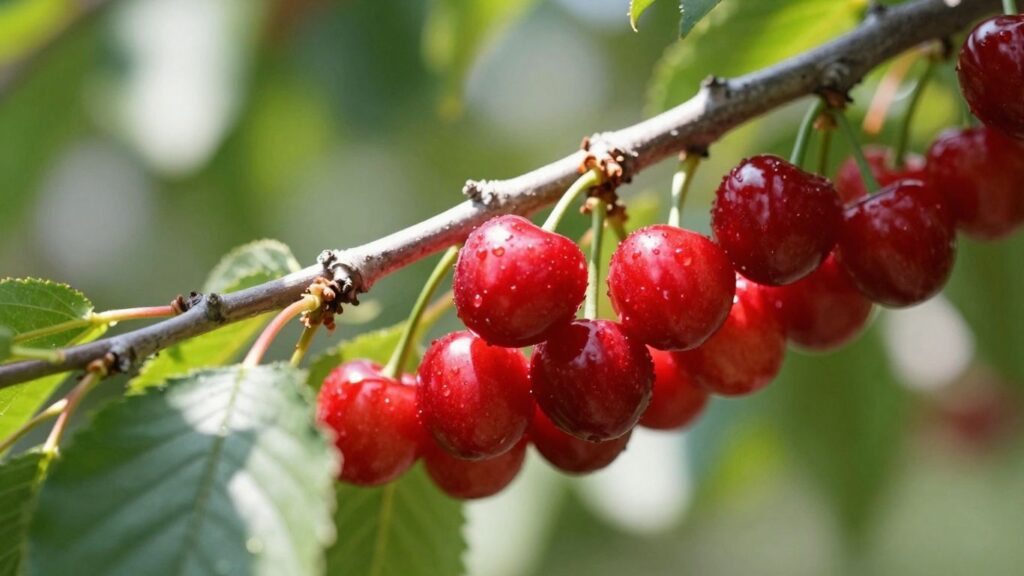
The best fruit is generally found on wood that’s two to four years old. This means you’re not just pruning for the sake of it; you’re managing the tree to encourage new, productive branches while keeping the older, fruitful ones healthy. Think of it like managing a garden – you want to keep things fresh and productive.
Here’s a quick rundown of what happens:
- Fruiting Spurs: These are the little stubby branches where the fruit actually grows. They can be productive for several years, but eventually, they get old and tired.
- New Growth: Each year, the tree puts out new shoots. Some of these will become the next generation of fruiting wood.
- Renewal: To keep the fruit coming, you need to encourage new wood and manage the older wood. This is where pruning comes in.
Cherry trees can sometimes get into a habit of bearing fruit only every other year, or having a huge crop one year and then a tiny one the next. Proper pruning, especially thinning out some of the fruit, can help prevent this biennial bearing. It might seem odd to remove fruit to get more fruit, but it really does help balance things out over time.
Cherry trees need a good balance between their roots and their branches. When a tree is transplanted, it loses a lot of tiny roots that suck up water and food. Pruning helps the top part of the tree not get too big for the roots to handle while they recover and grow into their new spot. This helps the tree survive and get established.
Most cherry trees start giving you fruit around their fourth year, though some smaller ones might do it a year sooner. A mature tree, whether it’s a sweet or tart variety, can produce a decent amount of fruit if it’s well cared for. You’ll want to keep an eye on how much fruit is setting – too much can lead to smaller fruit and stressed branches. A good ratio to aim for is about 3-4 leaves for every piece of fruit. Cherry trees begin producing fruit in their fourth year, with dwarf varieties fruiting a year sooner.
Best Time of Year: When to Prune Cherry Trees
Figuring out the right time to prune your cherry tree is a bit like knowing when to water your plants – too much or too little, and you won’t get the results you want. For cherry trees, the timing really impacts how much fruit you’ll get and how healthy the tree stays.
Generally, most fruit trees like a good trim when they’re taking a break in the winter. But cherries, especially the sweet kind, are a bit different. They can be more prone to diseases that like to sneak in through fresh cuts, particularly when it’s cold and damp. So, for sweet cherries, it’s usually better to wait until the weather warms up a bit, or even better, prune them after they’ve finished producing fruit.
Here’s a quick rundown:
- Sweet Cherries: Late summer, after harvest, is often the sweet spot. This gives cuts time to heal in drier, warmer weather, reducing disease risk. Think July through early September.
- Sour (Tart) Cherries: These are a bit more forgiving and can often be pruned in late winter or early spring, once the worst of the frost has passed. This is when they’re dormant and less likely to be stressed by the pruning.
Pruning at the right time helps the tree focus its energy on making good fruit, keeps it from getting sick, and makes sure it keeps growing strong for years to come. It’s all about working with the tree’s natural cycles, not against them. Getting this timing right is key to a good cherry harvest.
When you prune, especially for sweet cherries, think about making cuts that open up the tree. This lets sunlight and air get to more parts of the tree, which helps fruit develop better and can keep diseases away. It’s not about hacking off big branches randomly; it’s a thoughtful process to encourage good growth and fruit production.
When to Prune Cherry Trees in Winter vs Summer
So, you’re wondering about the whole winter versus summer pruning thing for your cherry trees? It’s not quite as simple as just grabbing your pruners whenever you feel like it. The timing really does make a difference, especially when you’re hoping for a good haul of cherries.
Generally, for most fruit trees, dormant pruning in winter is the go-to. This is when the tree isn’t actively growing, so it’s less stressed. You can get in there, see the tree’s structure clearly without all the leaves, and make your cuts. This kind of pruning encourages vigorous new growth when spring rolls around. Think of it as setting the stage for the growing season.
But here’s where cherries get a little particular. Sweet cherries, in particular, are a bit more sensitive. They can be more prone to certain diseases, especially on fresh cuts made during damp, cold weather. That’s why many folks recommend pruning sweet cherries in the late summer, usually right after you’ve finished harvesting. The warmer, drier air helps those cuts heal up faster and reduces the risk of infection. It’s a bit of a trade-off, though. Pruning in summer can sometimes mean a little less energy for the tree to put into next year’s fruit, so you want to be mindful and stick to thinning cuts rather than heavy ones.
Sour (or tart) cherries, on the other hand, are often treated more like other fruit trees and can handle that late winter or early spring pruning. This is before the buds really start to swell, but after the worst of the frost has passed. It’s a good time to shape them up and get rid of any dead or crossing branches.
Here’s a quick rundown:
- Sweet Cherries: Late summer, after harvest. This helps with healing and disease prevention.
- Sour Cherries: Late winter to early spring, before bud break but after the deep cold.
- General Cleanup: Dead, damaged, or diseased branches should be removed any time you see them, regardless of the season.
The main idea is to work with the tree’s natural cycles. You want to encourage healthy growth and fruit production while minimizing stress and the chance of disease. For sweet cherries, that means avoiding those wet, cold winter pruning sessions. For sour cherries, winter pruning is usually fine, but you still want to be careful about extreme cold right after cutting.
So, before you start cutting, take a moment to figure out if you’ve got a sweet or a sour variety, and then pick the time that’s best for that type of tree. It might seem like a small detail, but it can really impact how well your tree does and how many cherries you get.
Ideal Pruning Time for Sweet Cherry Trees
When it comes to sweet cherries, timing your pruning is a bit different from that of their sour cousins. You generally want to avoid pruning them during the winter months when they’re dormant. Why? Because sweet cherries are more prone to certain diseases, like bacterial canker, and those open wounds from winter pruning can be an easy entry point for trouble, especially if it’s wet.
The best time to prune sweet cherry trees is typically in late summer, after the fruit has been harvested. This allows the tree to heal before the cold weather sets in, and it also helps manage the tree’s vigor. Summer pruning is usually lighter, focusing on thinning out branches to improve air circulation and light penetration. This isn’t the time for heavy cuts; you’re mostly looking to remove inward-growing branches, crowded areas, or any wood that’s clearly dead or diseased.
Here’s a quick rundown of what to focus on during late summer pruning for sweet cherries:
- Thinning the canopy: Remove branches that are growing inward or crossing other branches. This opens up the tree.
- Removing old fruiting wood: Sweet cherries produce fruit on short, spur-like growths. While you want to keep these, you’ll eventually want to remove some of the older spurs to encourage new growth and better fruit quality.
- Managing vigorous growth: If you have any overly strong, upright shoots, consider removing them to maintain the tree’s shape and balance.
Remember, sweet cherries tend to have a strong central leader. Your pruning should aim to maintain this structure while ensuring the canopy isn’t too dense. It’s all about balancing fruit production with tree health and managing disease risk.
Think of it as a gentle tidy-up rather than a major overhaul. You’re not trying to drastically change the tree’s size, but rather to keep it healthy, productive, and manageable for years to come.
When to Prune Sour (Tart) Cherry Trees
Alright, so you’ve got yourself some sour cherry trees, the kind that make fantastic pies. Unlike their sweet cousins, these guys have a different approach to fruiting and, therefore, pruning. For sour cherries, the main goal is to keep that canopy from getting too thick and bushy. Think of it like giving your tree a nice, open haircut so air and sunlight can get to all those juicy cherries.
The best time to get your pruning shears out for sour cherries is during their dormant season, typically between November and March. This is when the tree is resting, and the cuts will heal up nicely before the growing season kicks off. It’s a bit different from sweet cherries, which prefer a summer trim.
Sour cherries can be a bit particular about where they produce fruit. Some types, like Morellos, only fruit on wood that grew the previous year. This means you’ve got to be a bit strategic. You’ll want to cut back those fruiting shoots to encourage new growth for the next season. A good rule of thumb is to trim about three-quarters of the way back on those shoots, leaving a little bit to spur new development.
Here’s a quick rundown:
- Keep it open: Aim for a funnel or vase shape. This lets light and air circulate, which is good for fruit quality and health.
- Remove the old: Cut out any dead, diseased, or really old wood. It’s just taking up space and energy.
- Encourage new growth: For varieties that fruit on one-year-old wood, prune back those shoots to make way for fresh ones.
Pruning sour cherries isn’t about aggressive shaping like some other trees. It’s more about maintenance – keeping things tidy, removing what’s not producing, and making sure the tree can breathe. This helps ensure you get a good harvest year after year without the tree getting all choked up.
Other types of sour cherries, like Amarellis, are a bit more forgiving and might fruit on older wood, making their pruning a bit more like sweet cherries. But generally, sticking to that winter pruning window and focusing on keeping the tree open is your best bet for a good crop of tart cherries.
How Climate and Region Affect When to Prune Cherry Trees
Where you live really does make a difference when it comes to pruning your cherry trees. Think about it – a mild winter in California is a whole different ballgame compared to a harsh, freezing one up in Maine. The main goal is to avoid pruning when there’s a serious risk of frost hitting those fresh cuts.
Generally, colder climates mean you’ll want to wait until late winter or very early spring to do your major pruning. This is when the tree is still dormant, but the worst of the cold has passed. For warmer regions, you might have a bit more flexibility, but you still need to be mindful of any late cold snaps.
Here’s a quick rundown:
- Cold Climates (e.g., Northern US, Canada): Aim for late winter, just as the tree is waking up but before new growth really starts. Waiting until after the last hard frost is key.
- Moderate Climates (e.g., Pacific Northwest, Mid-Atlantic): Early spring is usually good, but keep an eye on the weather. You might also consider light summer pruning after harvest, especially for sweet cherries.
- Warm Climates (e.g., Southern US): You might be able to prune a bit earlier in winter, but again, watch out for unexpected freezes. Summer pruning after harvest is often a good option here, too.
The specific timing can also depend on whether you have sweet or sour cherry varieties, as they have slightly different needs. Always check local weather patterns and consult with local gardening resources if you’re unsure.
For sweet cherries, which can be more prone to disease on fresh cuts, summer pruning after harvest is often recommended, especially in regions where winters are wet. This allows cuts to heal in drier, warmer conditions. Sour cherries, on the other hand, tend to be a bit tougher and can often handle the late winter/early spring dormant pruning better.
When to Prune Cherry Trees After Harvest
So, you’ve picked all those delicious cherries, and now you’re wondering about pruning. While many fruit trees benefit from a good trim during their dormant season, cherry trees, especially sweet varieties, have a slightly different schedule. Pruning right after harvest can be a smart move for certain situations, though it’s not the primary time for major structural work.
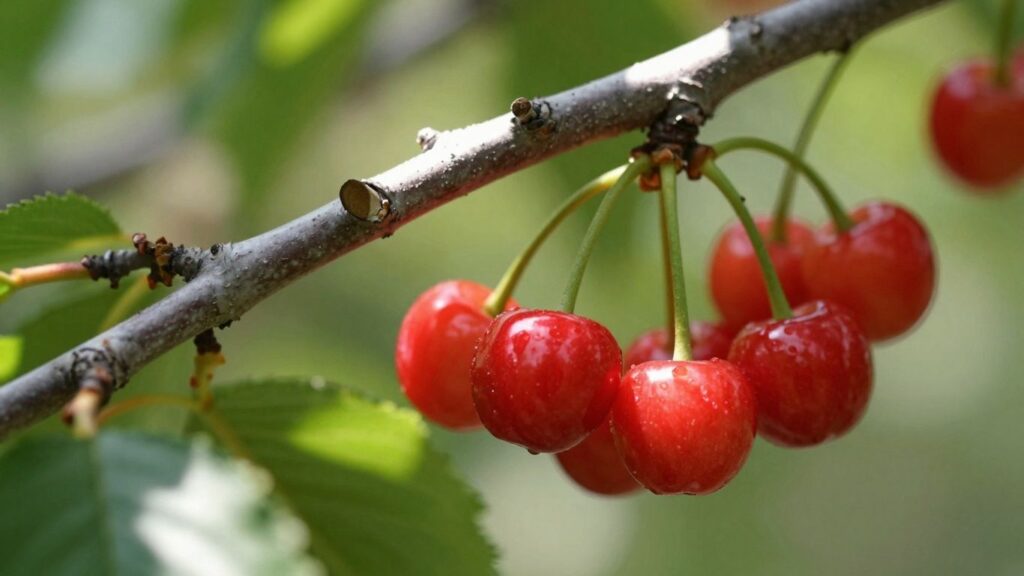
The main reason to consider pruning after harvest is to manage disease and remove any problematic branches. If you notice any dead, damaged, or diseased limbs during or immediately after picking, it’s best to take care of them then. Leaving them on the tree can give pests and diseases a place to overwinter, causing trouble next season. This type of pruning is more about tree health than encouraging new growth or maximizing next year’s fruit.
Here’s a quick rundown of what to look for and do:
- Remove Dead or Damaged Wood: Any branches that broke during the harvest or show signs of disease should be cut out. Make clean cuts back to healthy wood.
- Address Crossing Branches: If any branches are rubbing against each other, prune one of them back to prevent wounds that can invite disease.
- Thin Out Overcrowded Areas (Sparingly): While major thinning is best left for other times, you can lightly thin out areas that are excessively dense to improve air circulation. This is especially true if you’re dealing with a very humid climate.
It’s important to remember that pruning after harvest, especially for sweet cherries, should be minimal. Heavy pruning at this time can stimulate new growth that won’t have enough time to harden off before winter, making it vulnerable to frost damage. Think of it as a light cleanup rather than a significant reshaping. For more extensive pruning, like shaping the tree or encouraging fruit production, you’ll want to stick to the late winter or early spring schedule for sour cherry trees or late summer for sweet varieties.
Pruning after harvest is primarily for sanitation and immediate problem-solving, not for stimulating vigorous new growth. Focus on removing what’s clearly wrong to set the tree up for a healthier next year.
Pruning Young Cherry Trees: Timing for Strong Structure
When you first get a young cherry tree, it’s all about setting it up for success down the road. Think of it like building a house – you need a solid foundation and a good frame before you can worry about the paint color. For cherry trees, this means shaping them so they can handle a good load of fruit later on and let sunlight and air get to where they need to go.
The main goal with young trees is to create a strong, open structure. This usually means aiming for a vase or open-center shape. This kind of form helps prevent branches from breaking under the weight of the fruit and also keeps diseases at bay by allowing air to circulate.
Here’s a general idea of how to approach it:
- At Planting: If you get a bare-root tree, it might already be pruned. If not, or if you need to clean it up, just snip off any broken or damaged bits. For unbranched trees (whips), you might cut them back to about 28-36 inches from the ground to encourage branching.
- First Year (Dormant Season): This is where the real shaping begins. You’ll want to pick out three to four main branches that are spaced well around the trunk. These are your scaffold branches. Try to keep them about 6 inches apart vertically and at least 18 inches off the ground. Cut these main branches back by about a third to encourage them to grow stronger.
- Second Year (Dormant Season): Look for any fast-growing shoots that are getting out of hand and trim them back. You want to keep the twig growth, as this is where the fruit will eventually form. If you need more main branches, now’s the time to select and encourage them.
- Third Year (Dormant Season): Focus on removing any branches that are broken, crossing, or rubbing against each other. At this point, the tree’s basic shape should be pretty well established. You don’t want to do too much heavy pruning until the tree starts producing a decent amount of fruit.
When making cuts, always aim for a clean angle, about a quarter-inch above an outward-facing bud. This helps direct new growth away from the center of the tree. Avoid leaving stubs, as they can be entry points for disease and won’t heal well.
It’s really about guiding the tree’s natural growth into a productive form. You’re not just hacking away; you’re making deliberate cuts to build a strong framework that will support heavy fruit loads for years to come. Think of it as a long-term investment in your future harvests.
When to Prune Mature Cherry Trees for Maximum Yield
Alright, so you’ve got a mature cherry tree, and you’re aiming for a bumper crop. This is where pruning really pays off, but you’ve got to get the timing right. For most mature cherry trees, especially sweet varieties, the best time to do your main pruning is right after the harvest, usually in late summer. Why then? Well, pruning in late summer helps the tree heal quickly before winter hits, and it also reduces the risk of diseases that love to sneak in on fresh cuts during wet, cool weather. Plus, it gives the tree a chance to focus its energy on developing those fruit buds for next year instead of putting out a ton of new leafy growth.
Think of it like this: you want to shape the tree and remove any dead or crossing branches, but you don’t want to shock it right before it needs to hunker down for winter. Summer pruning is generally lighter, focusing on thinning out crowded areas to let light and air circulate. This is key for good fruit development and color.
Here’s a quick rundown of what to focus on with mature trees:
- Remove dead, damaged, or diseased wood: This is a no-brainer, and you can actually do this anytime you spot it, but it’s good to do a thorough check after harvest.
- Thin out crowded branches: Aim to open up the canopy so sunlight can reach more of the fruit. Look for branches that are rubbing against each other or growing inward.
- Manage vigorous growth: Cut back any overly long or weak branches. You want a balanced structure that can support a heavy fruit load.
- Encourage new fruiting wood: Cherries produce fruit on spurs and on last year’s growth. By removing some of the older, less productive wood, you encourage the tree to produce more of the good stuff.
When you’re pruning mature trees for yield, you’re essentially managing the tree’s energy. You want to direct that energy into producing high-quality fruit, not just a lot of leaves. It’s a balancing act, and summer pruning after harvest is your best bet for keeping things productive without stressing the tree too much.
Don’t go overboard, though. You’re not trying to reshape the tree drastically at this stage. Focus on maintenance and encouraging the best possible fruit production for the coming season. If you’re dealing with a very old tree that’s slowing down, you might need to do some more significant renewal pruning, but that’s often a multi-year process.
Signs Your Cherry Tree Is Ready for Pruning
Figuring out the exact moment to grab your pruning shears can feel a bit like guesswork sometimes. But your cherry tree actually gives you some pretty clear signals when it’s time for a trim. Paying attention to these signs means you’re more likely to prune at the right time for the best fruit harvest.
One of the most obvious indicators is the tree’s growth pattern. Look for branches that are growing inward towards the center of the tree, or shoots that are crossing over other branches. These often don’t produce much fruit and can actually hinder air circulation, which isn’t great for preventing diseases. Also, keep an eye out for any branches that seem weak or are growing at awkward angles – these are prime candidates for removal.
Another sign is the presence of dead, damaged, or diseased wood. This is pretty straightforward. If you see branches that are clearly broken, have cankers, or just look unhealthy, they need to go. It’s best to deal with these issues as soon as you spot them, rather than waiting for the ‘official’ pruning season.
Here are some key things to look for:
- Inward-growing or crossing branches: These can crowd the tree and reduce light penetration.
- Dead, broken, or diseased limbs: Remove these promptly to prevent further spread or damage.
- Suckers: These are shoots growing from the base of the trunk or roots.
- Water sprouts: These are fast-growing, often vertical shoots that emerge from older branches.
Sometimes, you might notice your tree is producing a lot of new growth that’s very vigorous but doesn’t seem to be fruiting well. This can be a sign that the tree has plenty of energy and could benefit from some pruning to redirect that energy towards fruit production rather than just leafy growth. It’s all about balance, really.
Finally, consider the tree’s overall structure. If you’re aiming for a specific shape, like an open vase, you’ll want to prune to encourage that form. Young trees especially benefit from early shaping to establish a strong framework that will support heavy fruit loads later on. For mature trees, you’re looking for signs that the canopy is getting too dense, blocking sunlight from reaching the inner branches where fruit often develops.
What Happens If You Prune Cherry Trees at the Wrong Time?
So, you’re thinking about giving your cherry tree a trim, but maybe you’re not totally sure about the timing. It happens! But, uh oh, pruning at the wrong time can actually cause more problems than it solves. It can seriously mess with your fruit yield for the season, and sometimes even longer.
When you prune too early in the spring, especially on sweet cherries, you’re basically inviting diseases like bacterial canker and fungal infections to set up shop. These diseases love fresh cuts, and a stressed tree is an easy target. This means fewer healthy branches, which directly translates to fewer cherries.
Pruning too late in the summer, particularly if you’re making big cuts, can also be a bummer. It might shock the tree, making it use up its energy reserves trying to heal and grow new leaves instead of focusing on developing those delicious fruits. Plus, you might accidentally remove developing fruit buds.
Here’s a quick rundown of what can go wrong:
- Increased disease risk: Open wounds are invitations for trouble, especially when the weather is damp or cold.
- Reduced fruit production: The tree might divert energy from fruit development to healing or new growth.
- Weakened tree structure: Improper timing can lead to weak branch angles that can break under the weight of fruit or snow.
- Frost damage: Pruning too early in winter can expose tender new growth to freezing temperatures.
Basically, think of pruning like giving your tree a specific instruction. If you give it the wrong instruction at the wrong moment, it’s going to get confused and might not do what you want it to do. For cherries, that often means fewer cherries for you to enjoy.
It’s all about working with the tree’s natural cycles. Get the timing right, and you’ll be rewarded with healthy growth and a bounty of fruit. Get it wrong, and you might be waiting a while for your next harvest.
How Often Should You Prune Cherry Trees?
Alright, so you’ve got your cherry trees, and you’re wondering how often you should be getting out there with the pruners. It’s not a ‘set it and forget it’ kind of deal, you know?
For the most part, you’ll want to prune your cherry trees annually. Think of it like giving them a regular haircut to keep them healthy and productive. This yearly attention helps maintain their shape, encourages good fruit production, and makes the job easier each time. You’re not trying to do a massive overhaul every year; it’s more about consistent upkeep.
Here’s a general breakdown:
- Young Trees: When they’re just starting, pruning is all about building a strong structure. You’ll focus on shaping them for good light penetration and air circulation, which sets them up for future fruit-bearing success. This might involve more significant cuts initially to establish scaffold branches.
- Mature Trees: Once your tree is established and producing fruit, the focus shifts. You’ll be removing dead or diseased wood, thinning out crowded branches, and managing the overall size. The goal here is to keep the fruit-producing wood healthy and accessible.
- After Fruiting: Sometimes, a light trim after harvest can be beneficial, especially for sweet cherries, to remove any problematic branches or to manage size without sacrificing too much energy needed for next year’s fruit. This is usually a minor intervention.
Doing this regular pruning means you’re not facing a jungle of branches when you finally get around to it. It keeps the tree balanced, helps prevent diseases by improving airflow, and ultimately leads to more cherries for you to enjoy. Skipping it can lead to a tree that’s overgrown, less productive, and more prone to issues.
Tools and Preparation Before Pruning Cherry Trees
Before you even think about grabbing your pruners, let’s talk about getting ready. Having the right gear and knowing how to use it makes all the difference. It’s not just about hacking away; it’s about making clean cuts that help your tree heal and produce more fruit.
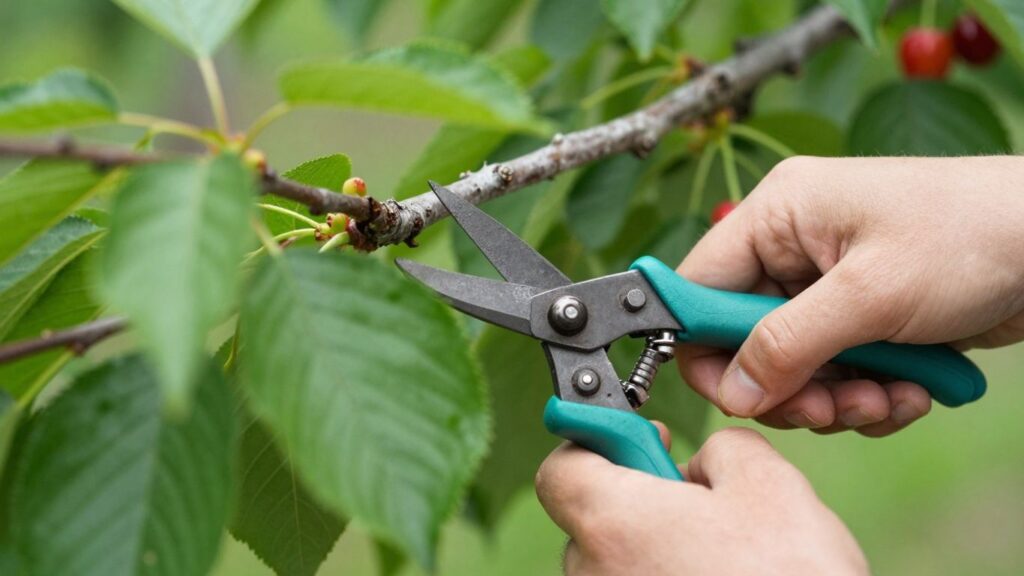
First off, you’ll need a few key tools. For smaller branches, bypass hand pruners are your best bet. They make a clean cut, unlike anvil pruners, which can crush the branch. For thicker branches, you’ll want long-handled loppers. And if you’ve got really substantial limbs, a pruning saw is a must. Always choose bypass-style pruners and saws for cleaner cuts.
Here’s a quick rundown of what you’ll need:
- Bypass Hand Pruners: For branches up to about 3/4 inch thick.
- Loppers: For branches from 3/4 inch up to about 1.5 inches thick.
- Pruning Saw: For branches larger than 1.5 inches.
- Rubbing Alcohol or Bleach Solution: For sterilizing your tools.
- Rag: For wiping down your tools.
Now, about preparation. The most important step before you make any cut is to sterilize your tools. Seriously, don’t skip this. You don’t want to spread any diseases from one branch to another, or from another plant to your cherry tree. A quick wipe-down with rubbing alcohol or a diluted bleach solution (about 1 part bleach to 9 parts water) will do the trick. Just make sure to rinse and dry them afterward.
Taking care of your tree before pruning is also a big help. A healthy tree, one that’s been properly fertilized in the spring and generally well-cared for, can handle pruning much better. It’s like getting yourself in shape before a big workout – your tree will recover faster and be stronger for it.
Common Pruning Mistakes That Reduce Cherry Fruit Production
So, you’ve been tending to your cherry trees, hoping for a bounty of delicious fruit, but something’s not quite right? Often, the culprit isn’t pests or disease, but rather some common pruning missteps. Getting the pruning timing and technique wrong can really throw off your fruit yield.
One of the biggest blunders is over-pruning. It’s tempting to want to tidy things up, but cutting off too much can stress the tree, leaving it with fewer branches to produce fruit. Think of it like this: each branch is a potential fruit-bearer. If you remove too many, you’re directly reducing your harvest. It’s better to be a bit conservative and let the tree do its thing.
Another common issue is pruning at the wrong time of year. While dormant pruning is standard for many trees, cherries, especially sweet varieties, can be more susceptible to diseases like canker if pruned in wet, cold weather. This is why waiting for at least two days of dry weather after trimming is a good idea.
Here are a few other mistakes to watch out for:
- Making the wrong kind of cuts: Leaving stubs or making jagged cuts can hinder healing and invite problems. Always aim for clean cuts just above an outward-facing bud.
- Ignoring suckers and water sprouts: These fast-growing shoots often drain energy from the tree without contributing to fruit production. They should be removed promptly.
- Not considering the tree’s age and fruiting habits: Older wood can become less productive. Renewal pruning, which involves cutting back older branches to encourage new growth closer to the trunk, is important for maintaining vigor and fruit quality on mature trees.
Pruning isn’t just about removing branches; it’s about shaping the tree for optimal light penetration and air circulation. When you prune correctly, you’re not just tidying up; you’re actively encouraging a healthier tree that’s better equipped to produce abundant, high-quality fruit. It’s a delicate balance, and getting it wrong can set back your harvest significantly.
Remember, the goal is to promote healthy growth and maximize sunlight exposure for the remaining branches. If you’re unsure, it’s always best to consult with local master gardener extension groups for advice tailored to your specific climate and tree variety.
After-Pruning Care to Support Healthy Cherry Growth
So, you’ve done the pruning – nice job! But don’t just walk away and forget about it. Your cherry tree needs a little TLC to bounce back and get ready for its next big fruiting season. Think of it like recovering from a haircut; a little extra attention helps everything look its best.
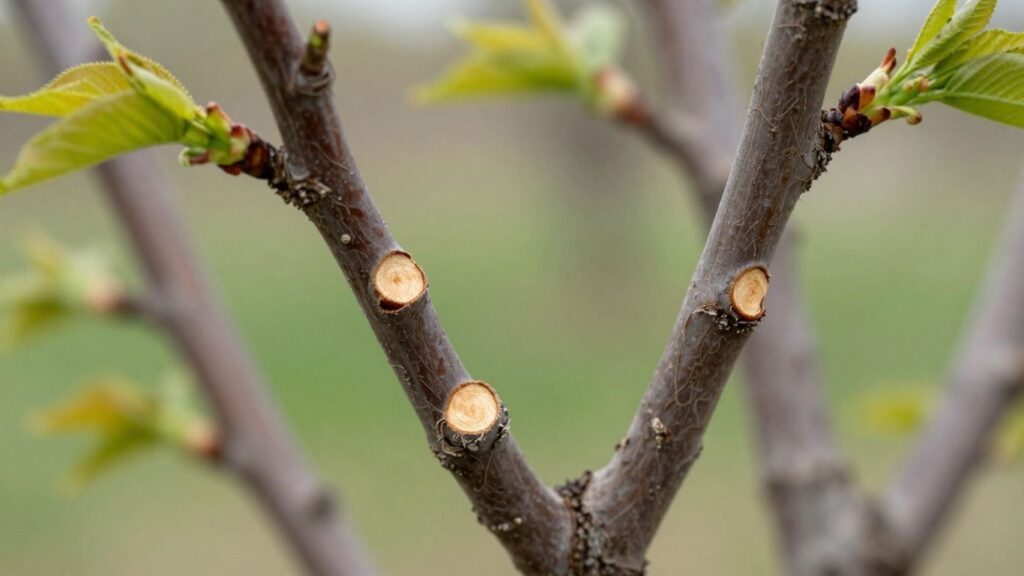
First off, keep an eye on those pruning cuts. If you made any larger ones, especially on older trees, it’s a good idea to protect them. While not always strictly necessary, a light coating of a tree wound sealant can help keep bugs and diseases from trying to move in. Just a thin layer is all you need; you don’t want to suffocate the area.
Watering is also super important, especially if you pruned during a dry spell or if your tree is still getting established. Make sure the soil stays consistently moist, but not waterlogged. You don’t want to stress the tree out with thirst right after you’ve trimmed it back.
Feeding your tree is another good step. A balanced fertilizer applied in the spring, before the major growth spurt, can give it the nutrients it needs to heal and produce new, strong growth. Don’t go overboard, though; too much can be as bad as too little. A general-purpose fruit tree fertilizer usually does the trick.
Here’s a quick rundown of what to focus on:
- Monitor cuts: Check for any signs of trouble, like oozing or unusual discoloration.
- Water wisely: Keep the soil evenly moist, especially during dry periods.
- Feed appropriately: Use a balanced fertilizer in spring to support new growth.
- Observe new growth: Look for healthy buds and shoots emerging after pruning.
Sometimes, after a good pruning, you might see a burst of growth that seems a bit wild. This is normal! The tree is responding to the stimulus. Just keep an eye on it and address any branches that start growing in awkward directions or crossing over others as they develop.
Remember, the goal is to help your tree recover and channel its energy into producing delicious cherries. A little aftercare goes a long way in making sure your pruning efforts pay off.
Taking care of your cherry tree after pruning is super important for its health. Make sure to give it enough water and keep an eye out for any pests or sickness. Proper aftercare helps your tree bounce back strong and grow beautifully. For more detailed tips on keeping your cherry trees happy and healthy, visit our website!
Frequently Asked Questions
Can I prune my cherry tree right after picking the fruit?
For sweet cherry trees, pruning right after harvest in late summer is actually a good idea. It helps the tree recover and prepare for the next year without leaving open wounds during wet or cold seasons when diseases are more active.
How should I prune a young cherry tree?
When your cherry tree is young, pruning is all about building a strong frame. You want to shape it as an open vase so light and air can get in. Cut off any branches growing straight down, towards the center, or weak ones. This helps it grow strong for years to come.
What’s the best way to prune a mature cherry tree for more fruit?
For mature trees, pruning focuses on keeping the fruit production going strong. You’ll want to remove old branches that aren’t producing much anymore and trim back some of the newer growth to encourage new fruit-bearing wood. The goal is to keep the canopy open and balanced.
How do I know if my cherry tree needs pruning?
Look for signs like branches that are growing into each other, dead or broken limbs, or if the tree looks too thick and crowded. If you notice lots of weak, spindly growth, it might also be time to prune. Basically, if it doesn’t look open and airy, it probably needs a trim.
What happens if I prune at the wrong time?
Pruning at the wrong time can cause problems. If you prune in late fall or early winter when it’s very cold, the cuts might freeze and damage the tree. Pruning sweet cherries too early in the year can make them more likely to get diseases on the fresh cuts.