
Types of Pine Trees in Oregon: Complete Identification Guide
- January 13, 2026
- By Michael Woods
Oregon’s forests are home to a surprising variety of pine trees, each with its own look and place in the ecosystem. From the towering giants to the hardy high-altitude dwellers, figuring out which pine is which can be a fun challenge. This guide will help you get to know the different types of pine trees in Oregon, covering their unique features and where you might spot them.
Overview and Importance of Types of Pine Trees in Oregon
Oregon’s forests are pretty amazing, and a big part of that is the variety of pine trees you can find here. From the coast all the way up into the mountains, these trees are more than just scenery; they’re a really important part of the ecosystem and even Oregon’s history. Understanding the different kinds of pines is key to appreciating the state’s natural beauty and its ecological health.
When you’re out and about, you’ll notice that not all pines look the same. They have different needle arrangements, cone shapes, and bark textures. These differences aren’t just for show; they tell us a lot about where a tree grows best and how it survives. For instance, some pines are built tough for dry, high-elevation spots, while others thrive closer to the sea.
Here’s a quick look at what makes pines stand out:
- Needles: Usually found in bundles, the number of needles per bundle is a big clue. You might see two, three, or even five needles grouped.
- Cones: These vary a lot in size and shape, from small and prickly to long and smooth.
- Bark: The texture and color of the bark can change as the tree ages, offering another way to tell them apart.
It’s easy to get pines mixed up with other cone-bearing trees like firs or spruces, but pines have their own distinct characteristics. We’ll get into those details later.
The diversity of pine species in Oregon means they play many roles, from providing habitat for wildlife to influencing soil conditions and water cycles. Recognizing these trees helps us better care for our forests.
This guide is here to help you sort out the different pine trees you’ll encounter across Oregon. We’ll cover the most common native species, pointing out their unique features so you can identify them on your next hike or drive.
Understanding Pines: What Makes a Pine Tree Unique
So, what exactly sets a pine tree apart from all the other evergreens out there? It’s a good question, especially when you’re trying to figure out what’s what in Oregon’s forests. While many conifers look similar from a distance, pines have some pretty distinct characteristics.
First off, let’s talk needles. This is usually your best bet for identification. Unlike firs or spruces, whose needles grow individually from the branch, pine needles are bundled together. You’ll typically find them in groups of two, three, or five, all emerging from a little papery sheath called a fascicle. This bundling is a dead giveaway for a pine. It’s like they’re holding hands in little groups. For example, the Western White Pine is known for its five needles per bundle, while Lodgepole and Shore Pines usually have two.
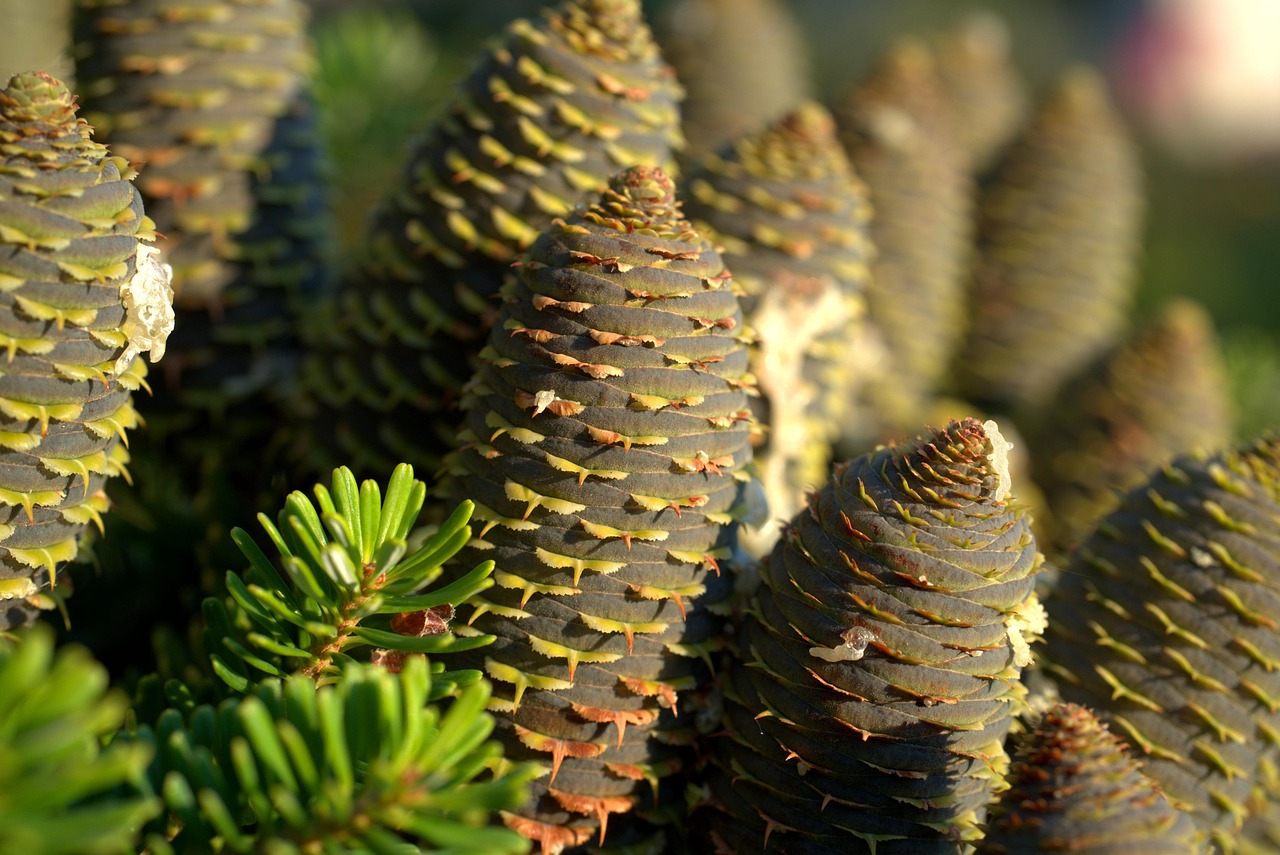
Then there are the cones. Pine cones are generally woody and can be quite tough. They come in all sorts of shapes and sizes, but a common trait is that they tend to hang downwards from the branches. Some pine cones are designed to stay closed until specific conditions, like heat from a fire, cause them to open and release their seeds. Others open more readily with changes in humidity.
Bark is another clue, though it can vary a lot between species. Some pines, like the Ponderosa, have bark that’s a bit like a jigsaw puzzle, often in shades of yellow or orange. Others might have rougher, darker bark. It’s not always the easiest feature to use, especially if you’re comparing a young tree to an old one, but it’s worth noting.
Here’s a quick rundown of what to look for:
- Needles: Always in bundles (fascicles) of 2, 3, or 5.
- Cones: Typically woody, hang downwards, and can have sharp scales.
- Bark: Varies greatly, from flaky and orange/yellow to rough and dark.
It’s easy to get pines mixed up with other conifers like firs or spruces. Firs have single needles that are often flat and soft, and their cones grow upright on the branches before disintegrating. Spruce needles are also single, usually sharp, and often square-shaped, meaning you can roll them between your fingers. Pines, with their bundled needles and distinct cones, are in a class of their own within the conifer family.
Pines are part of the genus Pinus. Worldwide, there are over a hundred species, and the United States has a good number of them. They’re generally divided into two main groups: soft pines and hard pines, which relate to the wood’s density and how it’s used, but for identification, focusing on needles and cones is usually more helpful.
When you’re out exploring, keep these basic differences in mind. It makes identifying different conifer trees a lot more interesting. You start noticing the little things, and suddenly, you’re not just seeing trees; you’re seeing individual species with their own stories.
How to Identify Pines Native to Oregon
Alright, so you’re out in Oregon, and you see a pine tree. How do you know which one it is? It can feel a bit overwhelming at first, especially with so many different kinds around. But don’t worry, there are a few key things to look at that will help you figure it out.
First off, let’s talk about the needles. This is usually your best bet. Pines are famous for having their needles in bundles, not just stuck on the branch one by one like some other conifers. The number of needles in a bundle is a big clue. Are they in groups of two, three, or five? That’s going to narrow down your options pretty quickly.
- Two-Needle Pines: Think Lodgepole and Shore Pine. Their needles are usually shorter and come in pairs.
- Three-Needle Pines: Ponderosa and Jeffrey Pines often have three needles per bundle. These needles can be quite long.
- Five-Needle Pines: Western White, Sugar, and Whitebark Pines are in this group. Their needles are often softer and grouped.
Next up, the cones. Pine cones are like the tree’s signature. They come in all sorts of shapes and sizes, and some have really distinctive features. Some are long and skinny, others are short and stout. Look at the scales – are they smooth, prickly, or do they have little hooks? The size of the cone can also be a giveaway. Sugar Pines, for example, have some of the biggest cones you’ll find.
Don’t forget to check the bark too. While it can change as the tree ages, older Ponderosa Pines often have that distinctive orange-yellow, puzzle-piece bark, while others might be darker and more furrowed. It’s another piece of the puzzle.
Here’s a quick rundown of what to look for:
- Needle Count: How many needles are in each bundle? (2, 3, or 5 are common for Oregon natives).
- Needle Length & Feel: Are they long and stiff, or shorter and softer?
- Cone Shape & Size: Is it long, short, prickly, smooth? How big is it?
- Bark Texture & Color: Does it flake off, is it deeply furrowed, what color is it?
By paying attention to these details, you’ll start to get a feel for the different pine species that call Oregon home. It’s kind of like learning to recognize different dog breeds – once you know what to look for, they become much easier to tell apart.
Ponderosa Pine: A Dominant Native Pine in Oregon
Alright, let’s talk about the Ponderosa Pine, or Pinus ponderosa if you’re feeling fancy. This tree is a real workhorse in Oregon’s forests, showing up pretty much everywhere from the coast ranges all the way to the mountains. You’ll see them in dry spots, and they can handle a lot of different elevations, from near sea level up to about 9,000 feet. They’re pretty recognizable once you know what to look for.
The bark on older Ponderosa pines is a dead giveaway – it’s this warm, orangey-yellow color and breaks off in big, flat pieces that look kind of like puzzle pieces. Young trees have darker, more furrowed bark, but give them some time, and they’ll get that classic look. These trees can get seriously big, often reaching heights between 60 and 130 feet, though some giants have been recorded much taller.
When it comes to needles, Ponderosas usually have them in bundles of three. They’re pretty long, often 4 to 10 inches, and feel kind of stiff. You might occasionally find bundles of two, but three is the norm. The cones are also distinctive: they’re usually 3 to 6 inches long, oval-shaped, and have these sharp, prickly scales sticking out. If you ever pick one up, watch your fingers!
Here’s a quick rundown of what makes a Ponderosa stand out:
- Needles: Typically in bundles of three, 4-10 inches long, stiff.
- Bark: Mature trees have distinctive orange-yellow, puzzle-piece bark; younger trees are darker and furrowed.
- Cones: 3-6 inches long, oval, with sharp, prickly scales.
- Habitat: Widespread across Oregon, preferring dry forest lands at various elevations.
A really cool thing about Ponderosa pines is their fire resistance. That thick, puzzle-piece bark acts like a natural shield, protecting the inner parts of the tree from all but the most intense fires. This allows them to survive and even thrive in areas that experience regular wildfires, which is a big reason why they’re so common in many Oregon ecosystems.
Lodgepole Pine & Shore Pine: Versatile Native Pines
Alright, let’s talk about two pines that really get around in Oregon: the Lodgepole Pine and its coastal cousin, the Shore Pine. These guys are super adaptable, showing up everywhere from the salty air of the coast to the higher mountain slopes. What really sets them apart, and makes them easy to spot, is that they almost always have needles in bundles of two. It’s a simple thing, but it’s a big clue.
These two-needled pines are a common sight across Oregon’s diverse landscapes.
Lodgepole pines, scientifically known as Pinus contorta, have a pretty interesting life story. The name ‘contorta’ actually means twisted, and you’ll often see their needles have a bit of a twist to them. They’re usually not super long, maybe an inch or three, and they hang out in pairs. The cones are small, often just an inch or two long, and they can be a bit prickly. What’s neat is that these cones can stay shut for years, waiting for the right conditions, like a fire, to open up and release their seeds. This is a big reason why they do so well in tough spots.
Here’s a quick rundown of what to look for:
- Needles: Always in bundles of two, usually 1-3 inches long, sometimes twisted.
- Cones: Small (1-2 inches), egg-shaped, with prickly scales. They often stay closed for a long time.
- Bark: Thin, dark, and flaky. It doesn’t have those big, chunky plates you see on some other pines.
When you head to the coast, you’ll likely run into what folks call Shore Pine. It’s basically the same species as the Lodgepole, just adapted to that salty, windy environment. You might notice Shore Pines are often a bit more gnarled and shorter, shaped by the sea breeze, but their needles and cones are still the classic two-per-bundle.
These adaptable pines are pioneers, often being among the first trees to colonize disturbed areas or poor soils. Their ability to thrive in varied conditions, from sandy coastal dunes to rocky mountain slopes, makes them a significant part of Oregon’s forest ecosystems.
So, next time you’re out and about in Oregon, keep an eye out for those pairs of needles. It’s a good bet you’re looking at a Lodgepole or a Shore Pine, two really tough and versatile trees that are a big part of the Oregon forest scene.
Western White Pine: Five-Needled Pine in Oregon Forests
When you’re out exploring Oregon’s forests, keep an eye out for the Western White Pine (Pinus monticola). It’s a pretty distinctive tree, and once you know what to look for, you’ll spot it easily. The easiest way to tell it apart is by its needles, which always come in bundles of five.
These needles are usually between 2 to 4 inches long. They’re a nice blue-green color and have these subtle white lines running along all three sides of each needle. It’s a good way to differentiate it from other pines that might have needles in threes or twos. The bark on older trees is dark gray and gets broken up into rectangular plates, kind of like a jigsaw puzzle, but not as blocky as some other pines. Young trees have smoother, grayish bark.
Here’s a quick rundown of its key features:
- Needles: Bundles of 5, 2-4 inches long, with white lines on all three surfaces.
- Cones: Woody, 5-12 inches long, slender and curved, with thin scales that often curve upward at the tip.
- Bark: Dark gray on older trees, broken into rectangular plates; smooth and grayish on younger trees.
Western White Pines can grow quite tall, often reaching impressive heights in Oregon’s forests. They tend to prefer cooler, moister sites compared to some of the drier-loving pines. You’ll often find them mixed in with other conifers in the mountainous regions of the state. They’re a beautiful part of the Oregon forest ecosystem.
The cones of the Western White Pine are a real showstopper. They’re long, slender, and have a gentle curve to them, often reaching up to a foot in length. The scales are thin and have a slight upward curl at the tips, which is a helpful detail for identification.
These trees are a significant part of the forest landscape, providing habitat and contributing to the overall health of the ecosystem. They’re a great example of the diversity you can find among Oregon’s pine species.
Sugar Pine: Giant Pine Among Oregon’s Conifers
When you think of big trees in Oregon, the Sugar Pine (Pinus lambertiana) definitely deserves a spot on the list. It’s not just big; it’s often the tallest pine species you’ll find around here. Seriously, these trees can reach impressive heights, sometimes soaring over 150 feet, and they hold the record for the longest cones of any pine. Imagine a cone that’s over a foot long, sometimes even reaching up to two feet! It’s pretty wild.
What really sets them apart, besides their towering stature, are the needles and cones. You’ll find their needles in bundles of five, and they’re quite long, often stretching out 10 to 20 inches. Each needle has a distinct white line running down its three sides. The cones are equally remarkable – long, slender, and often curved, with thick scales that aren’t too sharp. They hang down from the branches, looking almost like ornaments.
- Needles: Bundles of five, 10-20 inches long, with a white stripe on each of the three sides.
- Cones: The longest of all pines, often 12-20 inches, slender and curved.
- Bark: Reddish-brown, deeply furrowed, and tends to break into long, irregular pieces.
- Habitat: Typically found in southern Oregon’s mountain ranges, preferring elevations between 2,300 and 9,200 feet.
These giants are a sight to behold, especially when you see them in their natural habitat. They’re a key part of the forest ecosystem, providing shelter and food for various wildlife. Finding a mature Sugar Pine is a real treat for any tree enthusiast.
The Sugar Pine is a truly majestic tree, known for its immense size and exceptionally long cones. Its presence adds a unique grandeur to the Oregon forests it calls home.
If you’re exploring the southern parts of Oregon’s forests, keep an eye out for these magnificent trees. They’re a testament to the incredible diversity and scale of Oregon’s native trees.
Whitebark Pine: High-Elevation Pine of the Cascades
When you’re hiking up in the Cascades, especially at the higher elevations, you might run into the Whitebark Pine. It’s a pretty tough tree, often found right near the timberline, where not much else can grow. It’s not usually a giant, often staying under 50 feet tall, and sometimes it looks more like a shrub than a tree, all twisted and gnarled from the harsh conditions.
What really sets it apart are its needles. They come in bundles of five, are usually only about 2 to 3 inches long, and have these faint white lines running down them. It’s a good way to tell it apart from other pines. The cones are also unique; they’re about 3 to 7 inches long, kind of round, and the scales are thick and don’t have any sharp points. Interestingly, these cones often stay closed even when they’re mature.
Here are some key features to look for:
- Needles: Bundled in fives, 2-3 inches long, with white lines.
- Cones: Woody, 3-7 inches long, thick scales, often remain closed.
- Bark: Grayish-brown, furrowed, and scaly.
- Habitat: High elevations, often near timberline (7,700 to 11,500 feet).
This tree plays a really important role in its ecosystem. The seeds from its cones are a major food source for things like Clark’s Nutcrackers and grizzly bears, helping to spread the seeds around. It’s a survivor, adapted to some of the toughest spots in the mountains.
Jeffrey Pine: Close Relative of Ponderosa
You might do a double-take when you see a Jeffrey pine, especially if you’re familiar with the Ponderosa pine. They look pretty similar, and honestly, they’re practically cousins in the pine family. Both have needles in bundles of three and grow in similar dry, mountainous areas of Oregon. But there are a few key things that set them apart if you look closely.
The biggest giveaway is often the cone.
Here’s a quick rundown of how they differ:
- Needles: While both have three needles per bundle, Jeffrey pine needles tend to be a bit longer and often have a bluish-green tint compared to the Ponderosa’s more yellow-green needles. They also feel a bit softer.
- Cones: This is where they really diverge. Jeffrey pine cones are significantly larger, often reaching 5 to 12 inches long, and the scales have a distinctive curved prickle that points inward, almost like a J-shape. Ponderosa cones are smaller, usually 3 to 6 inches, with prickles that stick straight out.
- Bark: On older trees, Ponderosa bark often has a more orange or yellowish hue and breaks into large, flat plates. Jeffrey pine bark tends to be darker, more reddish-brown, and can have a slightly different texture.
- Scent: This is a fun one! If you crush a Jeffrey pine needle or scratch its bark, you might notice a sweet, vanilla-like, or even pineapple-like scent. Ponderosa pines can sometimes smell like butterscotch, but the Jeffrey pine’s aroma is usually more pronounced and distinct.
Jeffrey pines generally prefer higher elevations than Ponderosa pines, often found between 4,800 and 9,600 feet. This preference for cooler, higher mountain slopes is a good clue to their identity when you’re out exploring.
So, next time you’re hiking and spot a pine that looks like a Ponderosa, take a closer look at those cones and give the needles a sniff. You might just discover you’ve found a Jeffrey pine instead!
Knobcone Pine: Closed-Cone Pine of Oregon’s Dry Slopes
Alright, let’s talk about the Knobcone Pine, or Pinus attenuata. This one’s a bit of a tough character, often found clinging to life on dry, rocky slopes and ridges, mostly in the coastal mountain ranges of southern Oregon and down into California. It’s not exactly the tallest tree on the block, usually staying under 50 feet, and sometimes it looks more like a shrub than a proper tree.
What really sets the Knobcone apart are its cones. They’re pretty unique – often asymmetrical with swollen, knob-like bumps, and they can stay shut tight on the tree for years, sometimes decades. This is a survival strategy, you see. These cones often need the intense heat of a wildfire to open up and release their seeds. It’s a wild adaptation for a tree living in fire-prone areas.
Here’s a quick rundown of what to look for:
- Needles: You’ll find these in bundles of three, usually about 3 to 7 inches long. They tend to be a bit slender and can look twisted.
- Cones: These are the real showstoppers. They’re woody, 3 to 6 inches long, and often grow in tight clusters. The key feature is those lumpy, knob-like scales, and remember, they might stay closed for a long, long time.
- Bark: It’s generally dark and scaly, nothing too fancy, but it fits the rugged look of the tree.
The Knobcone Pine is a master of survival, especially in dry, fire-prone environments. It’s a fascinating example of how trees adapt to challenging conditions, waiting for just the right moment – often after a fire – to reproduce.
You might not see these everywhere, but when you do, especially on those drier, sun-baked hillsides, take a moment to appreciate this resilient pine. Its closed cones are a testament to its ability to endure and thrive in tough spots.
Other Pines Occasionally Found in Oregon Landscapes
While Oregon boasts an impressive array of native pine species, it’s not uncommon to spot other pines that aren’t naturally found here. These are usually ornamental trees planted in parks, gardens, or along streets. They might look familiar, but they don’t typically form wild forests in the state.
Some of these introduced pines are quite popular for landscaping due to their unique shapes or needle colors. For instance, you might see Scots Pine (Pinus sylvestris) with its distinctive orange-red bark on older trees and needles in bundles of two. Another one that pops up is the Austrian Pine (Pinus nigra), known for its stiff, dark green needles, also in pairs, and its dense, rounded form.
It’s important to remember that these non-native pines, while pretty, don’t play the same ecological role as our native species. They might not support the same local wildlife or thrive as well in Oregon’s natural conditions over the long haul.
Here are a few examples of pines you might encounter that aren’t native to Oregon:
- Scots Pine (Pinus sylvestris): Often planted ornamentally, recognizable by its reddish-orange upper bark and needles in bundles of two.
- Austrian Pine (Pinus nigra): A common landscape tree with stout, dark green needles in pairs.
- Mugo Pine (Pinus mugo): Typically a smaller, shrub-like pine, often seen in rock gardens or as a low hedge, with short, stiff needles in bundles of two.
Spotting these non-native pines is a good reminder of how diverse our planted landscapes can be, but it also highlights the special status of Oregon’s native conifers.
Tips for Identifying and Appreciating the Types of Pine Trees in Oregon
So, you’ve been exploring Oregon’s diverse landscapes and found yourself curious about the different types of pine trees in Oregon. It’s easy to get them mixed up, especially with so many conifers around. But with a little practice, you can start to tell them apart.
The best way to get good at identifying these trees is to look closely at their needles and cones. Think about how many needles are in a bundle – is it two, three, or five? Also, check out the cones: are they big and spiky, or smaller and smoother? The bark can be a clue too; ponderosa pines, for instance, often have bark that looks like puzzle pieces and can smell like butterscotch. Don’t forget to consider where you are; some types of pine trees in Oregon prefer dry, open areas, while others like the cooler, wetter forests.
Here are a few things to keep in mind when you’re out and about:
- Needle Count: This is usually the most reliable indicator. Pines typically have needles in bundles of 2, 3, or 5. Western white pines and sugar pines have five needles per bundle, while ponderosa and lodgepole pines usually have two or three.
- Cone Characteristics: Look at the size, shape, and scales of the cones. Sugar pines have famously long cones, sometimes up to 20 inches!
- Bark Texture and Color: Mature trees often have distinctive bark. Ponderosa bark is often orange-brown and flaky, while younger trees might have darker, rougher bark.
- Overall Shape and Size: While not always definitive, the general form and height of a tree can offer hints. Is it a towering giant like the sugar pine, or a more slender tree like the lodgepole pine?
Remember, identifying trees is a skill that develops over time. Don’t get discouraged if you can’t get it right away. Take photos, make notes, and compare them to resources. Observing the types of pine trees in Oregon in different seasons can also reveal unique traits.
Getting familiar with the various types of pine trees in Oregon can really change how you see the state’s forests. It’s a great way to connect with nature, and you might even find yourself appreciating the subtle differences between a lodgepole and a shore pine. For more detailed information on tree care and selection specific to Oregon, resources like Oregon State Extension can be incredibly helpful. Happy tree spotting!
Oregon is home to many beautiful pine trees! Learning to tell them apart can be a fun challenge. From the tall Ponderosa to the smaller Lodgepole, each has its own unique look. Want to know more about these amazing trees and how to care for them? Visit our website for expert advice and services!
Frequently Asked Questions
What are the main ways to tell different pine trees apart in Oregon?
You can usually tell pine trees apart by looking at their needles. See how many needles are in a bundle – it’s often 2, 3, or 5. Also, check out the cones! Their size, shape, and how the scales look can give you clues. The bark on older trees can be different too, sometimes flaky, sometimes rough, and even a different color.
Are Douglas Firs really pine trees?
Even though they are sometimes called ‘Oregon pine,’ Douglas Firs are not actually pine trees. They belong to a different group of trees called hemlocks. Pines have needles that grow in bundles, while Douglas Fir needles grow one by one right from the branch.
Which pine tree is the tallest in Oregon?
Oregon is home to some giants! The Ponderosa Pine is a very tall tree, and one specific Ponderosa in Oregon, nicknamed ‘Phalanx,’ is known as the tallest pine tree in the world. Sugar Pines are also among the tallest.
How can I tell a Ponderosa Pine from a Jeffrey Pine?
Ponderosa and Jeffrey pines look very alike! A subtle difference is that Jeffrey pine needles are usually longer and have a stronger vanilla or butterscotch scent when you crush them, especially from the bark. The cones can also differ slightly, with Jeffrey pine cones sometimes having scales that curve inward.
What’s special about the Whitebark Pine?
The Whitebark Pine is a unique tree that likes to grow very high up in the mountains, near where plants stop growing (the timberline). Its cones don’t open up, and it has a somewhat twisted or gnarled look because of the tough conditions it lives in.
Are there pine trees that grow near the coast in Oregon?
Yes, there are! The Lodgepole Pine, which usually grows in mountains, can also be found along the Pacific coast in Oregon. When it grows by the sea, it’s sometimes called the Shore Pine. It’s a tough tree that can handle different environments.
What does ‘needles in bundles’ mean for pine trees?
Pine needles don’t just grow randomly from the branches. They are grouped in little packets, like a small bunch of fingers. These packets are called fascicles, and the number of needles in each bundle (like 2, 3, or 5) is a key way to identify different types of pine trees.
Why do some pine cones stay closed?
Some pine trees, like the Knobcone Pine and Whitebark Pine, have cones that stay tightly closed for a long time, sometimes years. This is often a survival strategy. The heat from a wildfire can cause these cones to open and release their seeds, allowing new trees to grow after the fire has cleared the area.