How Has The Red Alder Tree Influenced Succession?
- December 1, 2025
- By Michael Woods
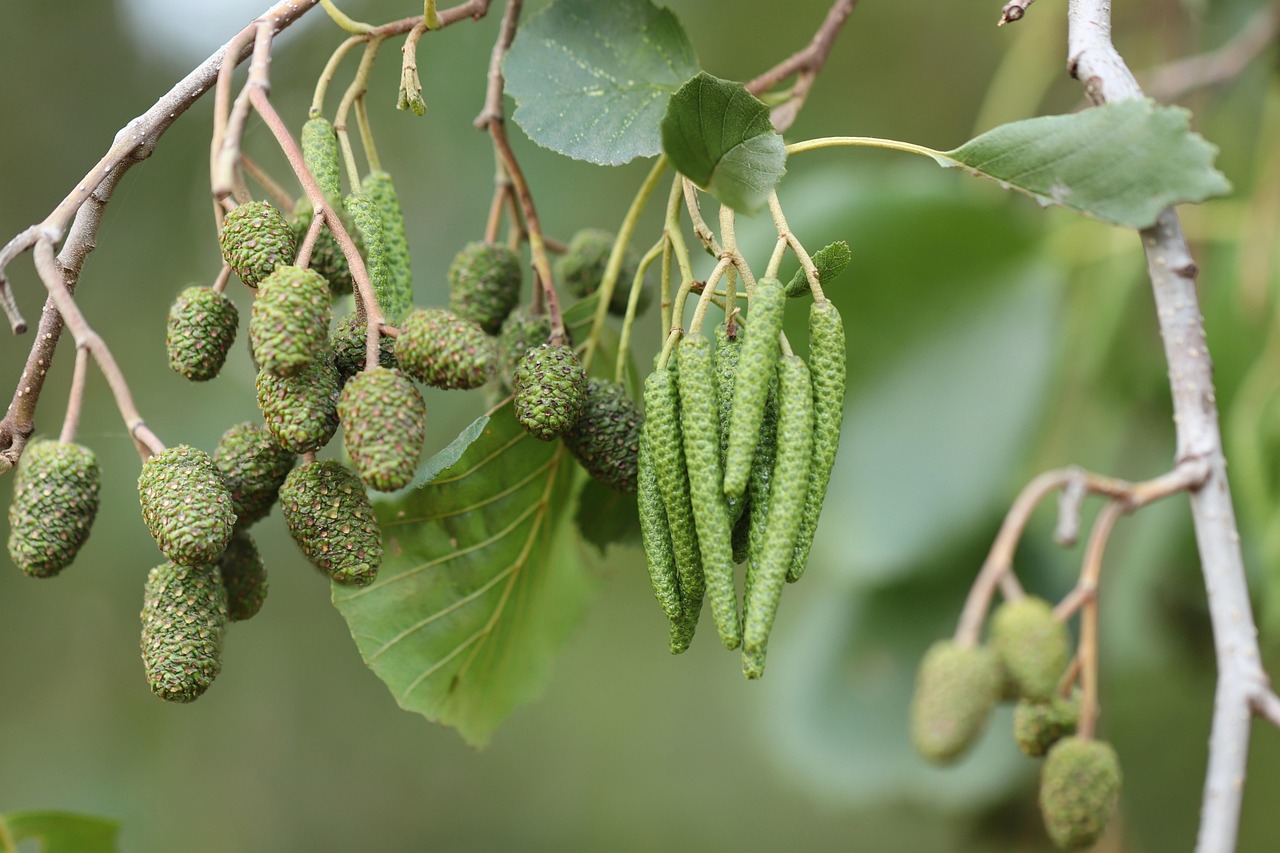
When I first started looking into forest ecosystems, I was really struck by how much one tree, the Red Alder (Alnus rubra), seems to shape what happens next. It’s not just another tree in the woods; it’s like a pioneer, setting the stage for other plants to move in. In this article, I will share some of my experience of how has the Red Alder tree influenced succession in a detailed and easy way.
Understanding How Has the Red Alder Tree Influenced Succession
My initial thought was that succession was just a slow, steady march of different trees taking over. But the Red Alder throws a bit of a curveball into that idea. It actively changes the environment, making it easier for some species to grow while making it harder for others. It’s a real game-changer, especially after things like logging or fires clear out an area.
Here’s what I’ve gathered about its role:
- It’s a nitrogen fixer. This is probably the biggest deal. Red Alder has these special nodules on its roots where bacteria live. These bacteria pull nitrogen right out of the air and turn it into a form that plants can use. Most trees can’t do this, so the alder is basically fertilizing the soil as it grows.
- It grows fast. Because it’s so good at getting nutrients, it can shoot up quickly, especially in open, sunny spots. This means it can cover bare ground pretty fast.
- It creates shade. As it gets bigger, its leaves block out sunlight. This changes the light conditions on the forest floor, which favors different kinds of plants than those that like full sun.
- It drops a lot of leaves. All those leaves decompose and add organic matter to the soil, further improving its quality.
The way Red Alder interacts with its surroundings is pretty remarkable. It doesn’t just exist; it actively modifies the soil and light conditions, creating a unique habitat that influences which plants and animals can thrive.
So, when we talk about how the Red Alder tree has influenced succession, we’re really talking about how it kickstarts the process. It’s not just waiting for the forest to come back; it’s helping to build the foundation for that comeback. Its ability to fix nitrogen is the primary driver behind its significant impact on forest development. This makes it a key player in understanding how forests recover and change over time, particularly in the Pacific Northwest, where it’s so common.
The Ecological Role of the Red Alder in Forest Development
When I first started looking into how forests grow, I was really struck by the Red Alder. It’s not just another tree; it plays a pretty big part in getting a forest started, especially after things like fires or logging. Think of it as a pioneer species, but with some special tricks up its sleeve. It’s one of the first trees to show up in a cleared area, and it really changes the place.
Its ability to fix nitrogen is a game-changer for the whole ecosystem. This means it pulls nitrogen from the air and puts it into the soil, which is something most other plants can’t do. This extra nitrogen makes the soil much richer, allowing other plants, especially the slower-growing conifers that people often want, to get a better start.
Here’s a bit about what makes it so important:
- Fast Growth: Red Alder grows really quickly, which helps it cover bare ground fast. This stops erosion and provides shade.
- Nitrogen Fixation: As I mentioned, this is a big one. It works with bacteria in its roots to make nitrogen available in the soil.
- Leaf Litter: When its leaves fall, they break down and add organic matter to the soil, further improving its quality.
I found this interesting:
The presence of Red Alder can dramatically speed up the recovery of a forest site. Without it, the soil might stay poor for a long time, and it would take much longer for a diverse forest to establish.
It’s not just about the nitrogen, though. The Red Alder also creates shade, which helps keep the soil moist and cooler. This environment is more welcoming for young conifer seedlings that might struggle in direct sun and dry conditions. So, in a way, the Red Alder is like a nursemaid for the future forest, preparing the way for other species to thrive. It’s a pretty neat natural process to observe.
How Has the Red Alder Tree Influenced Succession in Disturbed Ecosystems
When an area gets disturbed, like after a fire or logging, the Red Alder really steps in to help things get going again. It’s not just sitting around waiting for other trees to show up. I’ve seen it myself in places that were cleared out – the alder is often one of the first things to really take hold.
Its ability to grow fast and fix nitrogen makes it a game-changer for the soil. This means it’s not just occupying space; it’s actively improving the conditions for whatever comes next. Think of it like a pioneer, but one that also brings its own fertilizer.
Here’s a bit about what happens:
- Rapid Colonization: Red Alder seeds spread easily and can quickly cover bare ground. This stops erosion and provides a basic cover.
- Soil Improvement: Through its roots, it pulls nitrogen from the air and makes it available in the soil. This is a big deal because many disturbed soils are low in this nutrient.
- Habitat Creation: Even as a young tree, it offers shade and shelter for smaller plants and animals, starting the process of rebuilding a whole ecosystem.
I remember looking at a hillside that had burned a few years back. It was mostly bare rock and ash. But dotted across it were these young alder trees, looking surprisingly healthy. It made me realize how much work they were doing, just by being there.
The presence of Red Alder after a disturbance is like a biological reset button. It doesn’t just cover the ground; it actively prepares the way for a more diverse forest to eventually grow. It’s a natural process that’s pretty amazing to witness.
Over time, as the alder grows and then eventually starts to die back or get outcompeted, it leaves behind a much richer soil. This richer soil can then support the slower-growing, shade-tolerant trees, like Douglas fir or Western Hemlock, that we often associate with mature forests in this region. So, the alder isn’t the final act; it’s the opening scene that makes the rest of the play possible.
Nitrogen Fixation: The Key to Red Alder’s Successional Impact
When I first started looking into how red alder trees affect forest growth over time, one thing kept popping up: nitrogen fixation. It sounds technical, but it’s actually pretty straightforward and, honestly, a game-changer for the whole ecosystem. These trees have this amazing ability to pull nitrogen right out of the air. Most plants can’t do that; they have to get their nitrogen from the soil. But red alder, thanks to some special bacteria living in its roots, can convert atmospheric nitrogen into a form that other plants can use. This process is the main reason red alder is so good at kickstarting forest development on bare or disturbed ground.
Think about it – after a fire or a landslide, the soil is often pretty depleted. Red alder shows up and basically starts fertilizing the place. It’s not just about adding nitrogen, though. As the alder leaves and branches break down, they add organic matter to the soil, improving its structure and water-holding capacity. This makes the ground a much better place for other, less hardy plants to get a foothold. It’s like they’re preparing the dinner table for everyone else.
Here’s a simplified look at how it works:
- Red alder establishes itself on open or disturbed land.
- Symbiotic bacteria in their root nodules convert atmospheric nitrogen (N2) into ammonia (NH3).
- This fixed nitrogen becomes available in the soil as the alder grows and sheds leaves, or when the tree eventually decomposes.
- Other plants, especially conifers that often need more nitrogen, can then access this enriched soil.
This nitrogen enrichment is a big deal, especially in areas where the soil might be naturally low in this nutrient. It really speeds up the whole process of forest recovery and development. Without red alder, many forests would take much longer to get going after a major disturbance. It’s a prime example of how one species can have a massive ripple effect across an entire community. The ability of red alder to fix nitrogen is a cornerstone of its role in forest succession, making it a pioneer species that paves the way for a more diverse forest and forest health.
The impact of nitrogen fixation by red alder is profound. It doesn’t just benefit the alder itself; it creates a more fertile environment that supports a wider array of plant life, fundamentally altering the trajectory of forest development over decades and centuries.
How Has the Red Alder Tree Influenced Succession in Coastal and Riverine Areas
When I look at the banks of rivers and coastlines, I often see Red Alder trees. They seem to just pop up everywhere, especially after things get disturbed, like after a flood or a landslide. It’s pretty amazing how they take hold.
These trees are pioneers in these wet, often unstable environments. They’re not picky about soil, which is a big plus when you’re talking about newly formed land or areas that get washed out regularly. Their roots help hold the soil together, which is super important for preventing more erosion. I’ve seen areas where, after a big flood, it was just mud and debris, and within a few years, there were patches of Red Alder.
Here’s what I’ve noticed about their role:
- Rapid Colonization: They grow fast, spreading their seeds widely, especially by water. This means they can quickly cover bare ground.
- Soil Improvement: As they grow, they add nitrogen to the soil, which is a big deal for other plants that might want to grow there later.
- Habitat Creation: Even though they’re short-lived compared to some other trees, they provide shade and shelter for younger, slower-growing trees and animals.
It’s not just about them growing; it’s about what they do for the whole area. They change the conditions so other things can move in. Think of it like them preparing the dinner table for the next set of guests in the forest.
The presence of Red Alder along waterways isn’t just about the tree itself; it’s about the entire ecosystem it helps to build. It creates a foundation for future plant communities and provides immediate benefits to the local environment by stabilizing soil and adding nutrients.
I’ve also seen how they interact with other trees. Sometimes, they make it a bit too shady for themselves after a while, and then the conifers start to grow up underneath them. It’s like they do their job, make the place better, and then step aside for the next stage of forest development. It’s a natural cycle, and Red Alder is a key player in getting it started, especially in those damp, riverside spots.
Soil Enrichment and Its Effects on Species Composition
When the Red Alder tree gets established, especially after a disturbance, it really changes the soil. It’s not just about adding organic matter, though that’s part of it. The big thing is the nitrogen. Because Red Alder has these special bacteria in its roots that pull nitrogen from the air and put it into the soil, the ground becomes much richer.
This enriched soil has a direct impact on what other plants can grow. Before the alder, the soil might be pretty poor, only supporting tough, pioneer species. But after the alder has been there for a while, the nitrogen levels go up, and suddenly, a whole new set of plants can take root and thrive. Think about it:
- Increased nutrient availability: More nitrogen means plants can grow faster and bigger.
- Improved soil structure: The alder’s leaf litter breaks down, making the soil less compacted and easier for roots to penetrate.
- Shift in plant communities: Species that need richer soil, like many ferns and shrubs, start to appear.
The presence of Red Alder acts as a catalyst, transforming nutrient-poor sites into more fertile environments.
Here’s a simplified look at how the soil changes:
| Soil Property | Before Red Alder | After Red Alder |
| Total Nitrogen (%) | 0.1 – 0.3 | 0.3 – 0.7 |
| Organic Matter (%) | 2 – 5 | 5 – 15 |
| pH | 4.5 – 5.5 | 5.5 – 6.5 |
This change in soil conditions is why you often see a different mix of plants in areas where Red Alder has grown compared to areas without it. It’s a clear example of how one species can dramatically alter the environment for many others. It’s like laying down a better foundation for the whole forest to build upon.
The soil enrichment provided by Red Alder isn’t just a minor tweak; it’s a significant environmental modification that opens the door for a wider array of plant life to establish and flourish, fundamentally altering the trajectory of forest development.
How Has the Red Alder Tree Influenced Succession Through Shade and Canopy Formation
When I first started looking into how red alder affects forest growth, I was struck by how much its physical presence matters. It’s not just about the nitrogen it fixes, which is a big deal, but also about the shade it casts. Red alder grows fast, and its leaves create a dense canopy pretty quickly. This shade is a game-changer for what can grow underneath.
Think about it: most of the young conifers, like fir and hemlock, they need a good amount of sunlight to get going. But red alder, with its broad leaves and quick growth, can really block out the sun. This means that in areas where red alder has taken over after a disturbance, like a fire or logging, it creates a different environment. It’s not always ideal for the trees that might have grown there otherwise.
Here’s a bit of what I’ve observed:
- Early Shade: Red alder saplings shoot up, and within a few years, their leaves are forming a thick roof.
- Light Competition: This shade makes it tough for shade-intolerant seedlings to survive.
- Moisture Retention: The canopy also keeps the ground moister, which can favor certain understory plants over others.
- Temperature Moderation: It can also keep the ground cooler, which might slow down the growth of some species while helping others.
The most significant impact of red alder’s canopy is its ability to suppress the regeneration of shade-tolerant conifers in its early stages of growth. This might seem counterintuitive, but it sets the stage for later changes. As the alder trees age, they eventually start to die off or get outcompeted by taller, slower-growing conifers that have managed to establish themselves in the understory or along the edges. The alder’s shade, while initially a barrier, also protects these young conifers from harsh sun and drying winds when they are most vulnerable.
It’s a bit of a cycle. The alder comes in, changes the light and soil conditions, and then, over time, it makes way for the next generation of trees. It’s not just a passive player; it actively shapes the forest’s future structure and species mix through its physical presence and the shade it provides. I found this really interesting because it shows how even a seemingly simple factor like shade can have such complex effects on an entire ecosystem over decades.
Interactions Between Red Alder and Conifer Regeneration
It’s pretty interesting how red alder and the trees that come later, like conifers, sort of play off each other. When red alder first shows up after a disturbance, it really changes things. It grows fast and makes the soil better, which is great for it, but it can also make it tough for young conifers to get going.
Think about it: red alder creates a lot of shade pretty quickly. This can be a problem for conifer seedlings that need a good amount of sunlight to start out. I’ve seen areas where alder forms a thick canopy, and you just don’t see many young firs or pines underneath. It’s like the alder is saying, “This spot is taken!”
However, it’s not always a competition. After a while, when the alder starts to age and maybe some trees die off, it opens up the canopy. This lets more light in, and that’s when the conifers can really take advantage of the improved soil conditions that the alder helped create. It’s a bit of a cycle, really. The alder paves the way, and then the conifers move in.
Here’s a simplified look at what can happen:
- Initial Disturbance: Fire, logging, or windthrow clears the land.
- Red Alder Colonization: Fast-growing alder quickly occupies the open space.
- Soil Improvement: Alder’s nitrogen fixation enriches the soil.
- Shade Development: Alder canopy grows, potentially limiting light for other species.
- Conifer Establishment: Understory conifers may struggle initially but benefit from improved soil.
- Canopy Transition: As alder ages, light increases, favoring conifer growth.
The successional role of red alder is complex, acting as both a competitor and a facilitator for later-arriving species.
Sometimes, the alder doesn’t just shade things out; it can actually help protect young conifers from harsh conditions. The leaf litter from alder can insulate the soil, and the alder trees themselves can act as a windbreak. This protection can be really important, especially in exposed areas. It’s a bit of a trade-off, I suppose. You get the shade, but you also get some shelter. Understanding these dynamics is key to managing forests, especially when we think about conifer regeneration in areas where alder is common. It’s not a simple case of one winning and the other losing; it’s more of a partnership that shifts over time. The soil conditions created by the alder are a big part of why conifers can eventually thrive, even if they have to wait their turn for sunlight.
Long-Term Forest Dynamics Shaped by the Red Alder Tree
It’s pretty interesting to think about how a single tree species can really change the whole forest over many, many years. The red alder, with its nitrogen-fixing abilities, doesn’t just help itself; it sets the stage for what comes next. I’ve seen firsthand how its presence can alter the soil and light conditions, making it easier for other plants to get a foothold. This isn’t a quick process, mind you. We’re talking decades, even centuries, for these changes to fully play out.
Think about it like this:
- Initial colonization: Red alder often shows up first after a disturbance, like a fire or logging.
- Soil improvement: It adds nitrogen to the soil, which is a big deal for plants that need a lot of it.
- Shade creation: As it grows, it starts to shade out the ground, changing the environment for new seedlings.
- Competition: Eventually, other trees, like Douglas-fir, might start to grow taller and eventually outcompete the alder, as happened after about 35 years in some studies.Douglas-fir trees successfully outcompeted ceanothus and red alder.
The legacy of red alder isn’t just in its own lifespan, but in the generations of plants that follow. It’s a foundational species, really, that kickstarts a whole new chapter in the forest’s story.
This whole process really highlights how interconnected forest ecosystems are. The alder’s role isn’t static; it evolves as the forest matures. What starts as an open, sunlit area can transform into a shaded understory, all thanks to the initial work of the red alder. It’s a slow, steady transformation that shapes the forest structure and the types of species that can survive there long into the future.
Revisiting How Has the Red Alder Tree Influenced Succession Over Time
Looking back at the journey of forest ecosystems, it’s clear the Red Alder has played a significant role in how they develop. My own observations in various woodlands have shown me how this tree acts as a sort of pioneer, setting the stage for what comes next. It’s not just about planting itself; it’s about changing the ground beneath it.
The most striking impact I’ve seen is its ability to improve the soil. Fixing nitrogen from the air makes nutrients available that weren’t there before. This simple act has a ripple effect, allowing other plants, especially those that need richer soil, to get a foothold.
Here’s a breakdown of what I’ve noticed over the years:
- Early Stages: Red Alder often appears after disturbances like fires or logging. It grows fast, creating shade and a protective cover.
- Soil Improvement: Its nitrogen-fixing capability is a game-changer, enriching the soil for future generations of trees.
- Shade Provision: As it matures, its canopy shades the ground, which can be good for some species and less so for others, influencing the mix of plants.
- Transition: Eventually, the Red Alder’s lifespan is shorter than many conifers. As it ages and dies, it opens up the canopy, allowing shade-tolerant trees to grow.
I’ve seen this pattern repeat in different places. For instance, in coastal Oregon, after a clear-cut, the Red Alder would come in thick. Within a few decades, you’d start seeing Douglas fir saplings popping up underneath. By the time the alder started to decline, the firs were often tall enough to take over.
The long-term effect is a dynamic shift in the forest’s makeup. What starts as an alder stand gradually transforms into a mixed or conifer-dominated forest, all thanks to the initial work of the Red Alder.
It’s a slow process, but watching it unfold over years, even decades, is quite something. The Red Alder isn’t just a tree; it’s an architect of forest change.
Have you ever wondered how the Red Alder tree shapes the way forests grow over time? It’s a fascinating topic that shows how nature works! If you’re curious about trees and want to keep your own trees healthy and beautiful, check out our website for expert tree services. We can help with everything from trimming to removal.
Frequently Asked Questions
What exactly is the Red Alder tree, and why is it special in forests?
The Red Alder is a type of tree that’s quite important, especially in the Pacific Northwest of North America. What makes it stand out is its ability to help other plants grow. It’s often one of the first trees to appear after a disturbance, like a fire or logging.
How does the Red Alder help improve the soil?
A big reason the Red Alder is so helpful is that it can take nitrogen from the air and put it into the soil. This is like giving the soil a natural fertilizer boost, making it richer and better for other plants, especially the evergreens that often come later.
Can you explain ‘succession’ in terms of forests?
Forest succession is basically the natural process of change in a forest over time. Imagine a bare patch of land after a wildfire. First, small plants and shrubs might appear, then faster-growing trees like Red Alder, and eventually, slower-growing, shade-tolerant trees like firs and spruces take over. It’s like a planned sequence of plant communities.
How does the Red Alder affect other trees trying to grow nearby?
The Red Alder creates a different environment. It grows relatively fast and can provide shade, which some plants need. Its nitrogen-rich soil also helps other species get a good start, even if they can’t fix nitrogen themselves. It sets the stage for the next group of trees.
Are Red Alders found in many different places?
Yes, they are quite adaptable. I’ve observed them doing well in areas near the coast and along rivers, where the soil might be a bit different. They seem to thrive in these moist environments, playing a crucial role in how those specific ecosystems develop.
What happens to Red Alders as the forest gets older?
As the forest matures and other trees, like Douglas firs, grow taller and create more shade, the Red Alder doesn’t do as well. It’s a pioneer species, meaning it’s great at starting things off, but it’s not built for the long haul in a dense, old forest. It usually lives for a shorter time compared to the big evergreens.
Does the Red Alder have any negative impacts on other plants?
While generally helpful, the Red Alder can sometimes grow so densely that it shades out younger seedlings of other trees. However, its overall contribution to soil fertility usually outweighs this, making it a net positive for the ecosystem’s development.
Why is studying the Red Alder’s role important for forest management?
Understanding how the Red Alder influences forest growth helps us manage forests better. For instance, knowing its role in nitrogen fixation and soil improvement can guide decisions about reforestation after disturbances, helping to restore healthy ecosystems more effectively.